
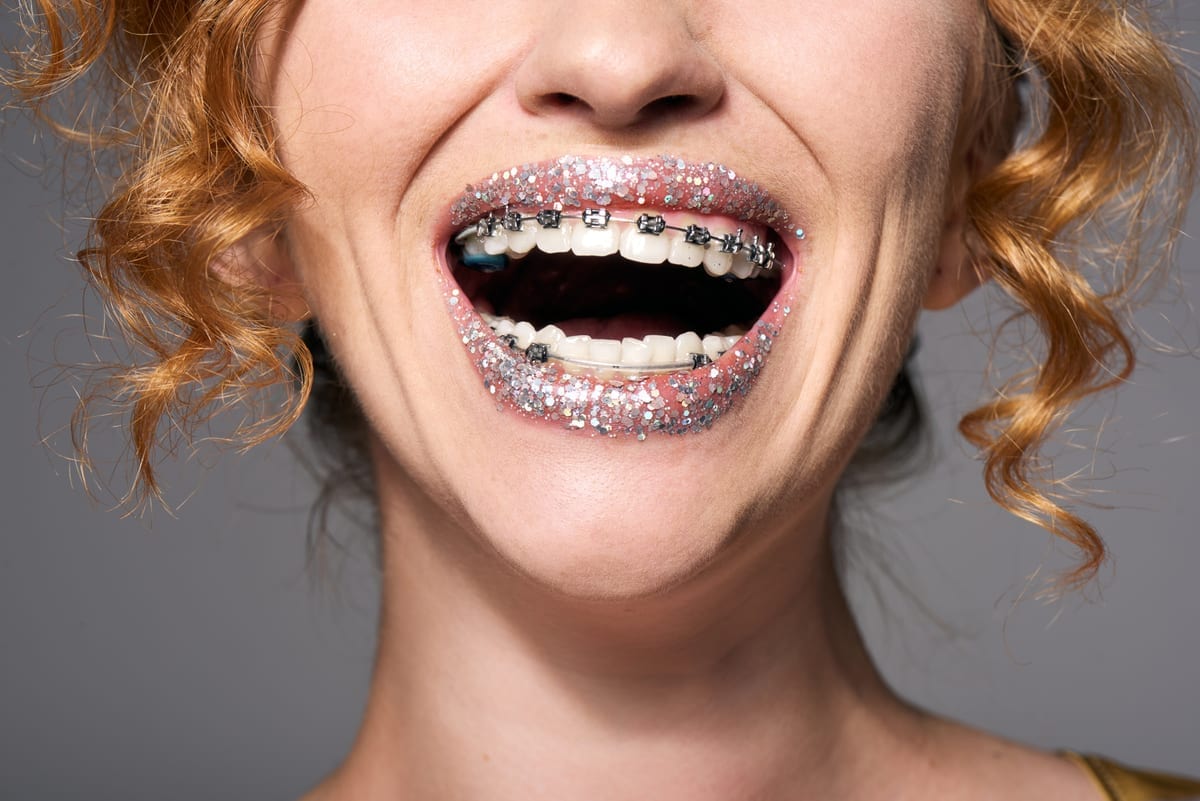
Starting orthodontic treatment is a big decision. Most new patients in Oak Cliff Place arrive with a list of questions — and that is a good thing. At Watson Orthodontics, Dr. Jim Watson believes informed patients make confident patients. This article covers the 5 orthodontics questions new patients ask most — answered honestly for Oak Cliff Place residents who want real, straightforward information before they begin.
Question 1: Am I Too Old for Orthodontic Treatment in Oak Cliff Place?
This is one of the most common concerns Dr. Watson hears. The short answer is no — you are never too old for orthodontics. Adults make up a significant portion of orthodontic patients today. Straighter teeth benefit your oral health at any age.
Many Oak Cliff Place adults choose clear aligner options like Invisalign Spring Tx because they fit naturally into a professional lifestyle. These aligners are removable and nearly invisible. They let you eat, speak, and smile comfortably throughout treatment. Age is simply not a barrier to a healthier, more aligned smile.
Children and teenagers are ideal candidates too. Early intervention can guide jaw development and reduce complex issues later. Dr. Watson evaluates patients of all ages to recommend the right timing and approach.
Question 2: How Long Will Orthodontic Treatment Actually Take?
Treatment length depends on the complexity of your case. Minor alignment issues may resolve in as little as six months. More involved cases with crowding, spacing, or bite problems typically take 12 to 24 months.
Here are the key factors that influence your treatment timeline:
- The severity of crowding, spacing, or bite misalignment
- Whether you choose braces or clear aligners
- How consistently you wear your aligners or comply with care instructions
- Your age and jaw development stage
- Attendance at scheduled adjustment appointments
Dr. Watson gives every Oak Cliff Place patient a realistic estimate during their initial consultation. He explains what is driving the timeline and how you can stay on track. Transparency about timing is a priority at Watson Orthodontics from day one.
Question 3: What Is the Difference Between Braces and Invisalign?
Both braces and Invisalign move your teeth into better positions over time. The difference lies in how they work and what daily life looks like during treatment. Understanding each option helps you choose what fits your needs.
Traditional braces use metal brackets and wires bonded directly to your teeth. They apply consistent pressure and work well for complex bite corrections. They require dietary adjustments to avoid damaging the brackets.
Clear aligners like Invisalign Tomball use a series of custom plastic trays worn over your teeth. You remove them to eat and brush, which makes hygiene easier. They are less noticeable and often preferred by adults and older teens.
Consider these comparison points when deciding:
- Braces are fixed — no risk of forgetting to wear them
- Invisalign requires discipline to wear 20 to 22 hours daily
- Braces handle severe misalignment and complex bite issues effectively
- Invisalign is ideal for mild to moderate alignment concerns
- Both options produce excellent, lasting results when used correctly
Dr. Watson reviews your specific case before recommending one over the other. There is no one-size-fits-all answer. Your lifestyle, goals, and dental needs all play a role in the right choice.
Question 4: Will Orthodontic Treatment Be Painful?
This question deserves an honest answer — not false reassurance. Most patients experience some discomfort, especially in the first few days after getting braces or switching to a new aligner tray. The feeling is often described as pressure or soreness rather than sharp pain.
Here is what most Oak Cliff Place patients experience during treatment:
- Mild soreness in the first 24 to 72 hours after each adjustment or new tray
- Slight irritation on the cheeks or lips as your mouth adjusts to appliances
- Occasional sensitivity when biting down on certain foods
- Gradual reduction in discomfort as your mouth adapts over several weeks
Over-the-counter pain relievers and orthodontic wax can ease early discomfort. Most patients find the soreness manageable within the first week. Dr. Watson and his team walk you through exactly what to expect so nothing catches you off guard.
The discomfort is temporary. The results last a lifetime. That perspective helps most patients push through the early adjustment period with confidence.
Question 5: What Happens If I Don’t Treat My Orthodontic Issues?
Leaving misaligned teeth untreated is a choice — but it comes with real consequences. This is one of the most important questions Dr. Watson addresses honestly with new patients in Oak Cliff Place.
Crowded or crooked teeth are harder to clean properly. That increases the risk of cavities, gum disease, and tooth decay over time. Poor alignment also strains your jaw joints, which can lead to headaches and discomfort.
Bite misalignment affects how you chew and speak. It places uneven pressure on certain teeth, causing them to wear down faster. In some cases, untreated issues become significantly more complex and costly to correct later in life.
Treatment is an investment in your long-term oral health — not just your appearance. Dr. Watson helps each patient understand the real risks of waiting so they can make an informed decision that is right for their situation.
Starting Your Orthodontic Journey in Oak Cliff Place
Choosing to begin orthodontic treatment is one of the best decisions you can make for your oral health. Dr. Jim Watson and the Watson Orthodontics team are committed to answering every question you bring through the door. No question is too basic or too complicated. You deserve honest, personalized guidance before you commit to anything.
Oak Cliff Place patients have access to a full range of treatment options — from traditional braces to advanced clear aligners. Dr. Watson creates a custom plan based on your smile goals, your schedule, and your unique dental needs. Every step is explained clearly before treatment begins.
Ready to get your questions answered in person? Book Now to schedule your appointment with our team.
Frequently Asked Questions
How do I know which orthodontic treatment is right for me?
Dr. Watson evaluates your teeth, bite, and jaw alignment during your initial consultation. He then recommends the most effective option — whether braces or clear aligners — based on your specific needs and lifestyle. There is no pressure to choose before you feel ready.
At what age should children have their first orthodontic evaluation?
Most orthodontists recommend a first evaluation around age seven. At this stage, Dr. Watson can identify developing issues early. Early evaluation does not always mean early treatment — it simply means you have the information you need to plan ahead.
How often will I need to come in for appointments?
Patients with traditional braces typically visit every four to eight weeks for adjustments. Clear aligner patients often check in every six to ten weeks. Dr. Watson schedules appointments based on your treatment progress and keeps visits as efficient as possible.
Can orthodontic treatment fix my bite as well as straighten my teeth?
Yes. Orthodontic treatment addresses both tooth alignment and bite issues. Dr. Watson evaluates your bite as part of every consultation. Correcting a misaligned bite improves function, reduces jaw strain, and supports long-term oral health.
What happens after orthodontic treatment ends?
After active treatment, patients wear a retainer to keep teeth in their new positions. Retainers are usually worn full-time at first and then only at night. Skipping retainer use is the most common reason teeth shift back, so Dr. Watson emphasizes this step with every patient.