
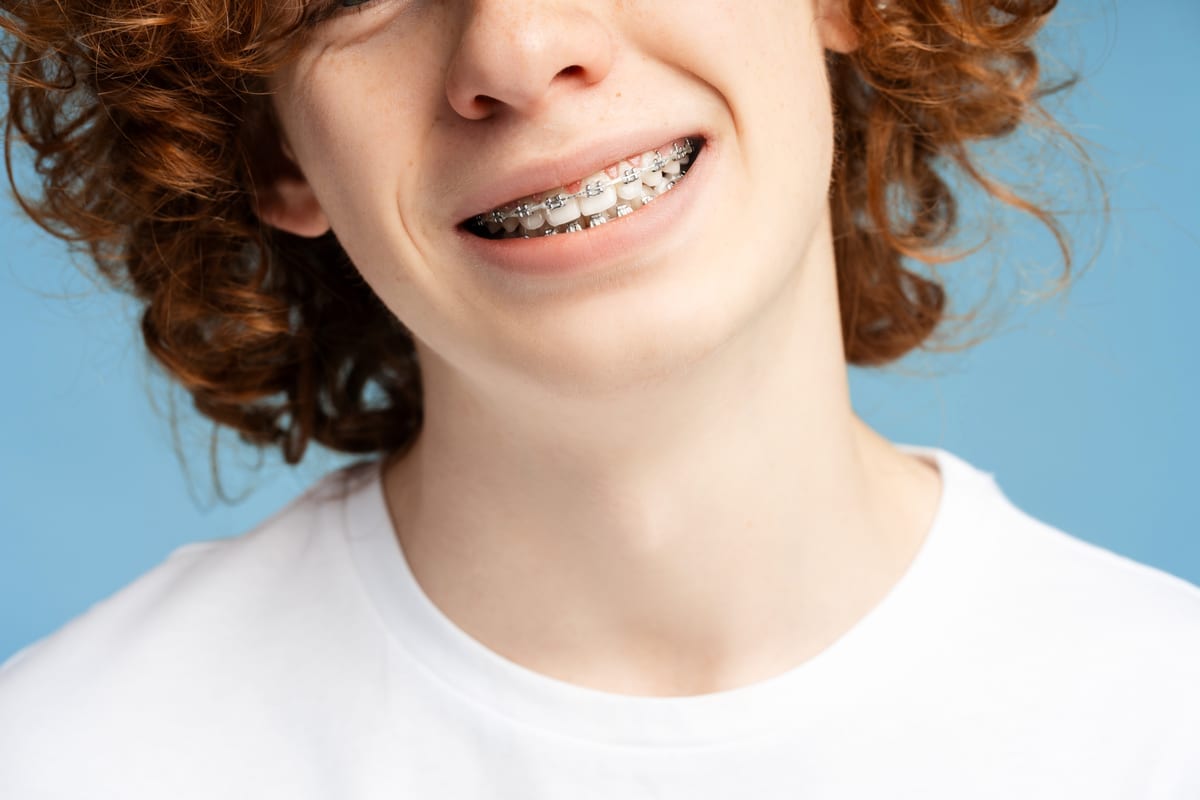
Getting braces is an exciting step toward a healthier, straighter smile. But the first few days after placement — or after each adjustment — can feel uncomfortable. Knowing what to eat after braces is one of the most important parts of your recovery guide, especially for Tomball patients adjusting to a new routine. At Watson Orthodontics, Dr. Jim Watson wants every patient to feel confident, comfortable, and well-prepared from day one.
Understanding Your Recovery Timeline After Braces
Most patients experience soreness for three to five days after braces are placed or adjusted. This happens because your teeth are shifting — and that pressure is completely normal. The discomfort typically peaks around day two and gradually fades.
During this window, eating the right foods makes a significant difference. Hard or crunchy foods can aggravate tender teeth and even damage brackets. Soft, easy-to-chew options reduce strain and keep your treatment on track.
Every adjustment appointment restarts this short recovery cycle. After each visit to our Tomball office, plan ahead for a few days of gentler eating. Over time, most patients adjust quickly and the discomfort becomes much more manageable.
What to Eat After Braces: Best Foods for Tomball Patients
Choosing the right foods in the first few days protects both your comfort and your brackets. The goal is soft, nutritious options that require minimal chewing. Here is a helpful list to stock up on before your appointment:
- Mashed potatoes — creamy, filling, and completely bracket-safe
- Yogurt and smoothies — cold temperatures can also soothe sore gums
- Scrambled eggs — a protein-rich option that is easy to eat
- Oatmeal and soft cereals — great for breakfast without straining teeth
- Soup and broth — warm (not hot) soups are comforting and easy to swallow
- Bananas and soft fruits — avoid anything crunchy or acidic
- Pasta and soft rice — cook them a little longer for extra tenderness
- Soft bread without crusts — perfect for sandwiches during recovery
Cold foods like yogurt, ice cream, or chilled smoothies deserve special mention. The cool temperature naturally reduces swelling and eases gum soreness. Many Tomball patients find this simple trick makes the first couple of days much more bearable.
Foods to Avoid With Braces
Protecting your brackets is just as important as managing discomfort. Certain foods can break wires, pop brackets off, or cause unnecessary pain during recovery. Avoiding these items keeps your treatment timeline intact.
Stay away from these foods while wearing braces:
- Hard candies and lollipops — these can crack brackets instantly
- Popcorn — husks get lodged under wires and are very difficult to remove
- Chewy candies like caramel or taffy — they pull on wires and brackets
- Raw carrots, apples, or hard vegetables — cut these into tiny pieces if you must have them
- Bagels and hard rolls — the tough texture puts too much pressure on brackets
- Nuts and seeds — small and hard, they easily damage orthodontic hardware
- Ice — chewing ice is one of the fastest ways to break a bracket
The rule of thumb is simple: if a food requires significant biting force, avoid it. This is especially important during the first week after a new placement or adjustment.
Pain Management Tips During Braces Recovery
Sore teeth and tender gums are very common after getting braces or visiting Dr. Watson for an adjustment. You do not have to simply endure the discomfort — there are several practical strategies that help.
Consider these pain management approaches:
- Over-the-counter pain relievers — ibuprofen or acetaminophen taken as directed can reduce inflammation significantly
- Orthodontic wax — apply wax over any bracket or wire that is irritating your cheeks or lips
- Salt water rinses — dissolve half a teaspoon of salt in warm water and rinse gently for soothing relief
- Cold compresses — apply to the outside of your jaw to reduce swelling and numb soreness
- Cold foods — as mentioned above, soft cold foods serve double duty as nutrition and pain relief
Stick to soft foods and avoid tough chewing for at least three to four days after each appointment. Most patients find that discomfort improves noticeably by day three. If pain continues beyond five to seven days, contact our office right away.
Patients in Tomball exploring alternatives to traditional braces may also want to learn about Invisalign Tomball Tomball, which offers a different treatment experience with removable aligners. Similarly, patients from nearby communities can explore Invisalign Spring Tx Tomball options through our practice as well.
When to Call Watson Orthodontics
Most soreness after braces is completely expected and resolves on its own. However, some situations require a call to our Tomball office. Knowing the difference helps you respond appropriately and avoid unnecessary stress.
Contact Dr. Watson’s team if you experience any of the following:
- A bracket has fully popped off or a wire has snapped
- A wire is poking your cheek or gum and wax is not providing relief
- You notice unusual swelling that is getting worse after 48 hours
- Pain is severe and not responding to over-the-counter medication
- A tooth feels significantly loose or out of position
Broken hardware can slow your treatment progress if left unaddressed. Our team always makes time for urgent orthodontic concerns. Never hesitate to reach out — we would rather answer a quick question than see a small issue become a bigger problem.
Long-Term Eating Habits With Braces
Recovery after placement is just the beginning. Maintaining good eating habits throughout your entire treatment protects your brackets and keeps your smile on schedule. Over time, most patients naturally learn which foods work best with their braces.
Cut fruits and vegetables into small, bite-sized pieces rather than avoiding them entirely. Choose softer bread options over crusty baguettes or hard rolls. Be mindful at restaurants, birthday parties, and holidays — popular treats like caramel apples and hard pretzels can cause real damage.
Good nutrition also supports healthy tooth movement. Calcium-rich foods like dairy and leafy greens strengthen the teeth undergoing realignment. Think of eating well as an active part of your orthodontic treatment, not just a restriction.
Conclusion: Your Comfort Is Our Priority in Tomball
Understanding what to eat after braces is a key part of your complete recovery guide as a Tomball patient. The right food choices reduce discomfort, protect your brackets, and keep your treatment progressing smoothly. Dr. Jim Watson and the entire Watson Orthodontics team are here to support you every step of the way. Book Now to schedule your appointment with our team.
Frequently Asked Questions
How long will my teeth hurt after getting braces?
Most patients experience soreness for about three to five days after braces are placed or adjusted. Discomfort typically peaks on day two and gradually improves. Over-the-counter pain relievers and soft foods help manage this period effectively.
Can I eat normally the same day I get braces?
It is best to stick to very soft foods on the day your braces are placed. Your teeth and gums need time to adjust to the new pressure. Start with items like yogurt, smoothies, mashed potatoes, and soup for the first 24 to 48 hours.
What should I do if a bracket falls off after eating?
Contact Watson Orthodontics as soon as possible if a bracket breaks or falls off. Save the bracket if you can and avoid eating anything hard until your appointment. Our Tomball team will assess the situation and reattach it quickly to keep your treatment on track.
Are cold foods really helpful for braces soreness?
Yes — cold foods like yogurt, smoothies, and even soft-serve ice cream can naturally reduce gum inflammation and numb soreness. The cool temperature acts as a gentle anesthetic for tender tissues. This is a simple and enjoyable way to manage discomfort during recovery.
How often will I need to adjust my diet during braces treatment?
You will experience a short recovery window of two to five days after each orthodontic adjustment appointment. During those days, returning to soft foods is a smart strategy. Between appointments, maintaining bracket-safe eating habits throughout your entire treatment period protects your progress.