
Completing your Invisalign treatment is a huge milestone. Your smile looks amazing, and you feel more confident than ever. But here’s something many patients in Spring, TX don’t expect — your Invisalign journey isn’t over: why retainers are non-negotiable becomes the most important conversation after your final aligner. At Watson Orthodontics – Spring, Dr. Jim Watson works with patients every day to protect the results they’ve worked so hard to achieve.
Skipping your retainer is one of the most common — and costly — mistakes after orthodontic treatment. Understanding what happens next can save your smile for a lifetime.
What Actually Happens to Your Teeth After Invisalign?
Your teeth don’t just stop moving when your aligners come out. The bones and tissues surrounding your teeth need time to stabilize in their new positions. This process is called retention, and it’s a critical phase of your overall orthodontic journey.
Without a retainer, your teeth will naturally drift back toward their original positions. This is called relapse, and it can begin within days of stopping retainer use. The movement may be subtle at first, but over weeks and months, the changes become very noticeable.
Teeth shift because of natural pressure from your lips, tongue, and chewing forces. Bone remodeling takes time — often six months to a year. Even patients who wore aligners perfectly are vulnerable to this shifting. Retainers are the only thing standing between your new smile and relapse.
Why Retainers Are Non-Negotiable in Spring, TX
At Watson Orthodontics – Spring, we treat patients of all ages through our Orthodontics For All Ages Spring program. One thing is consistent across every age group — retainers are always required after treatment. There are no exceptions, and there are no shortcuts.
Here’s why retainers are so essential after Invisalign:
- Teeth have memory. Your teeth remember where they used to sit, and they’ll return there without retention.
- Bone needs time to harden. The bone around your tooth roots must fully remodel to hold new positions.
- Gum fibers are elastic. Periodontal fibers attached to your teeth stretch during movement and pull teeth back if not held in place.
- Aging causes natural shifting. Even adults who’ve never had braces experience tooth movement over time.
- Results cost time and money. Protecting your investment makes both practical and financial sense.
Retainers aren’t a punishment or an afterthought. They are an essential, designed part of your orthodontic treatment plan.
Types of Retainers Dr. Jim Watson May Recommend
Not all retainers are the same. The right type depends on your bite, your lifestyle, and your specific treatment history. Dr. Jim Watson evaluates each patient individually to determine the best retention strategy.
There are two main categories of retainers used after Invisalign:
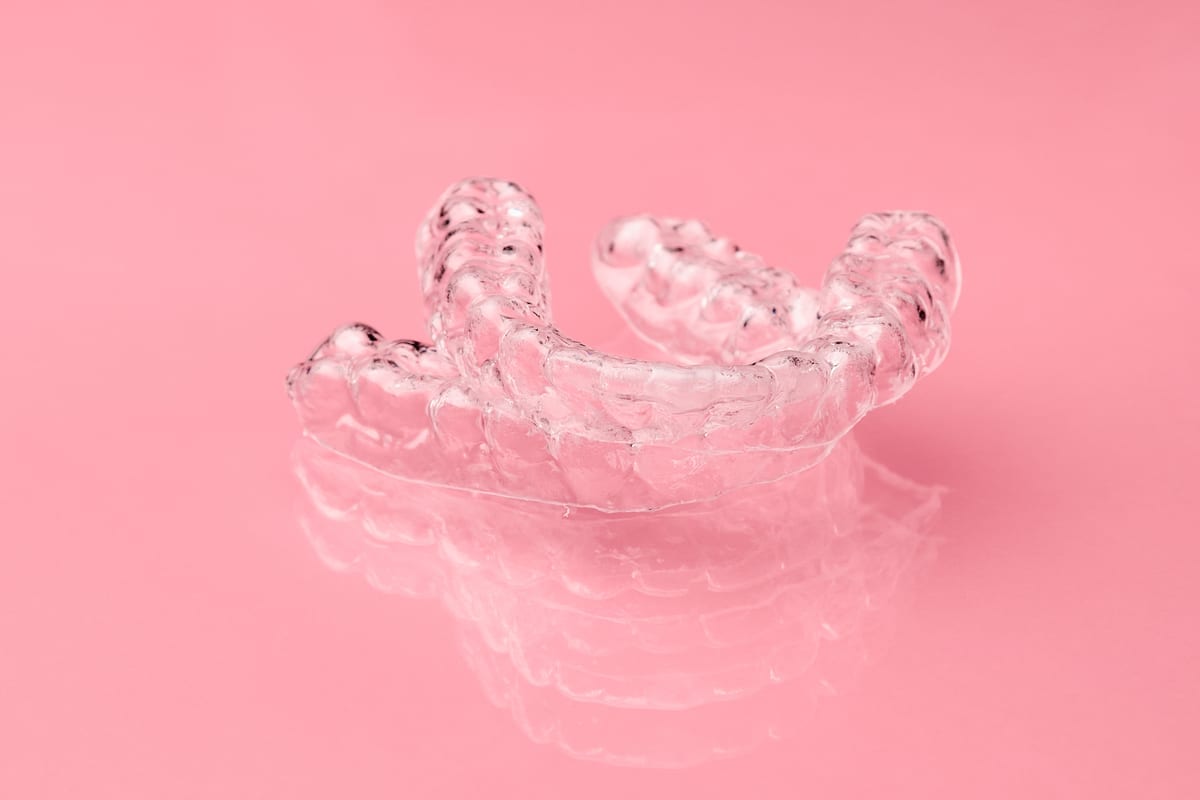
- Removable Retainers — These look similar to Invisalign trays or traditional Hawley retainers with a wire. You wear them as directed and remove them for eating and brushing.
- Fixed (Bonded) Retainers — A thin wire is bonded to the back of your front teeth. You can’t remove it, and it works continuously to hold your teeth in place.
Many patients use a combination of both types. A fixed retainer handles daily retention while a removable tray provides added support at night. Your treatment plan at Watson Orthodontics will include a clear recommendation based on your unique needs.
If you’re exploring all your options for ongoing care, our team offers comprehensive Orthodontics Spring Tx Spring services designed to support every phase of your smile journey.
How Long Do You Actually Need to Wear a Retainer?
This is the question every patient asks. The honest answer is: retainers are a long-term commitment. Many orthodontists, including Dr. Jim Watson, recommend wearing a retainer indefinitely to preserve your results.
Here’s a general timeline most patients follow:
- First 3–6 months: Wear your retainer full-time, removing it only to eat and brush.
- Months 6–12: Transition to nighttime-only wear as directed by Dr. Watson.
- Year 1 and beyond: Continue nightly wear for the long term to prevent any shifting.
Some patients make the mistake of stopping retainer use after a year or two. This is when relapse becomes most likely. Teeth don’t reach a point where they’re permanently
Frequently Asked Questions
How long do I need to wear my retainer after finishing Invisalign treatment?
Most patients need to wear their retainer full-time for the first 6-12 months after completing Invisalign, then transition to nighttime wear indefinitely. Your teeth naturally want to shift back to their original positions, so consistent retainer use is the only way to maintain your beautiful new smile. We recommend following your orthodontist’s specific timeline, as individual cases vary based on tooth movement and bone density.
What’s the difference between fixed and removable retainers?
Fixed retainers are thin wires bonded to the back of your teeth and provide 24/7 stability without any effort on your part. Removable retainers, like clear aligners or wire retainers, give you flexibility but require daily compliance and proper care. Many patients benefit from using both types—a fixed retainer on lower teeth combined with a removable retainer for upper teeth—for optimal results.
Can I stop wearing my retainer once my teeth feel stable?
Even when your teeth feel perfectly stable, you should continue wearing your retainer as directed by your orthodontist. Tooth movement is a lifelong process, and skipping retainer wear can lead to shifting that undoes months or years of Invisalign progress. Think of your retainer as a permanent commitment to protecting your investment in straightening your teeth.
How do I care for my removable retainer?
Clean your retainer daily with a soft toothbrush and mild soap or denture cleaner—never use hot water, as it can warp the material. Store it in a protective case when not wearing it, and keep it away from pets and direct sunlight. Regular maintenance prevents bacteria buildup and extends your retainer’s lifespan significantly.
What happens if I lose or damage my retainer?
Contact our Spring office immediately if your retainer is lost or damaged, as delaying replacement can allow your teeth to shift within days or weeks. We can create a replacement retainer quickly to prevent any regression of your Invisalign results. Having a backup retainer is a smart investment for long-term smile stability.