
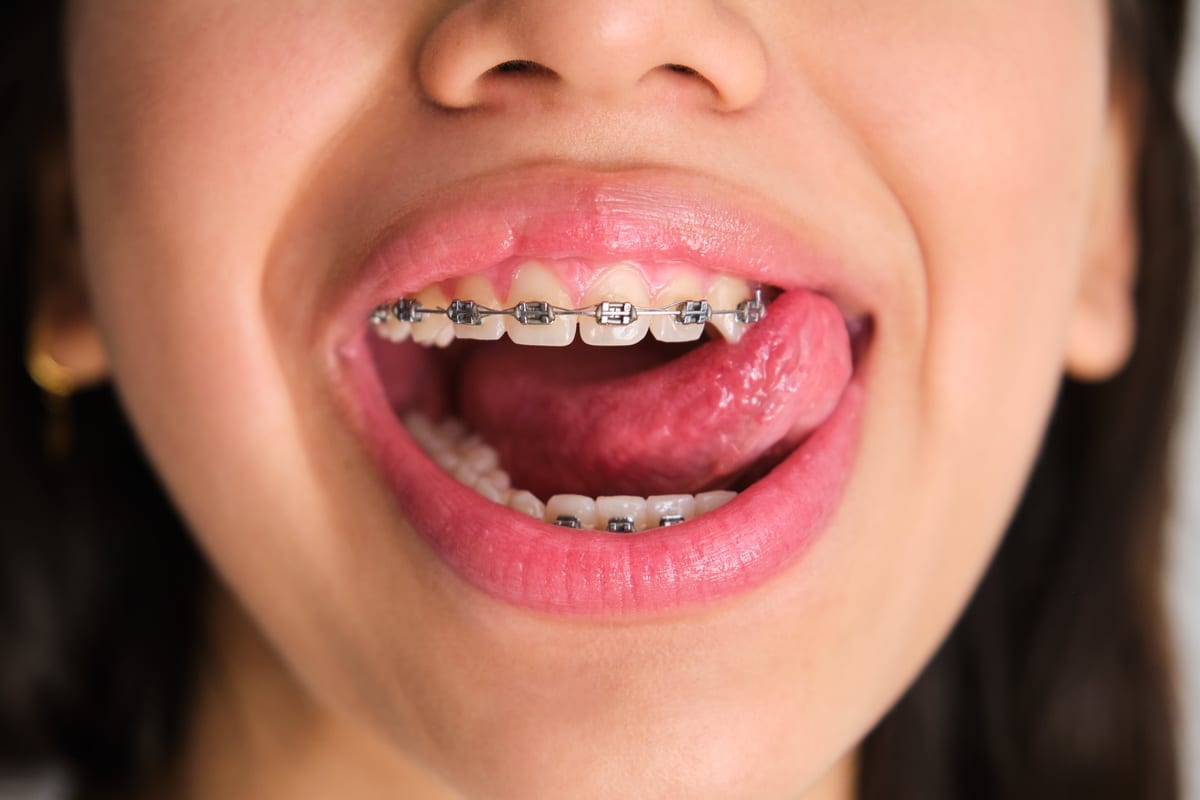
Many people in Spring, TX wonder whether orthodontic treatment is right for them. You might have crooked teeth, a bite that feels off, or simply want a straighter smile. Knowing is your smile a candidate for orthodontics starts with a professional evaluation. At Watson Orthodontics – Spring, Dr. Jim Watson helps patients understand exactly what their smile needs and why.
This article walks you through what candidacy really means. We’ll cover who typically qualifies, what the evaluation process involves, and what factors shape your treatment plan. Whether you’re an adult, a teen, or a parent exploring options for your child, this guide is for you.
Who Is a Good Candidate for Orthodontic Treatment in Spring?
Most people are surprised to learn how many conditions orthodontics can address. It’s not just about cosmetics. Orthodontic treatment corrects functional issues that affect your bite, jaw comfort, and long-term dental health.
You may be a strong candidate if you experience any of the following:
- Crowded or overlapping teeth that are hard to clean
- Gaps or spaces between teeth
- An overbite, underbite, crossbite, or open bite
- Jaw pain or clicking when you chew
- Teeth that don’t meet properly when you close your mouth
- Self-consciousness about the appearance of your smile
Children as young as seven can benefit from an early evaluation. Teens and adults are also excellent candidates. Age is rarely a barrier to effective orthodontic care.
What Does Dr. Watson’s Orthodontic Evaluation Involve?
The evaluation at Watson Orthodontics is thorough and patient-focused. Dr. Watson doesn’t rush through your appointment. He takes time to understand your concerns and goals before making any recommendations.
Here’s what you can expect during your evaluation in Spring:
- A comprehensive dental and facial examination — Dr. Watson reviews your teeth, jaw alignment, and facial structure.
- Digital X-rays and photographs — These images reveal what’s happening below the gumline and provide a full picture of your bite.
- Bite analysis — Dr. Watson assesses how your upper and lower teeth fit together when you bite and chew.
- Discussion of your smile goals — Your input matters. Dr. Watson listens to what bothers you most about your smile.
- Treatment recommendations — Based on findings, Dr. Watson explains which options are best suited to your specific case.
This process gives you a clear, honest picture of your orthodontic needs. Nothing is assumed or rushed. Every recommendation is grounded in what the evaluation actually reveals.
What Factors Determine the Best Orthodontic Approach for Your Smile?
Not every smile responds the same way to treatment. Several factors influence which approach Dr. Watson recommends. Understanding these factors helps you make an informed decision.
Key factors include:
- Severity of misalignment — Mild crowding may respond well to clear aligners. More complex cases may need traditional braces.
- Jaw development — Growing patients have more flexibility in treatment options and timing.
- Bone density and gum health — Healthy gums and bone are essential foundations for orthodontic movement.
- Patient lifestyle and compliance — Clear aligner therapy requires consistent wear to be effective.
- Previous dental work — Crowns, implants, and bridges can influence which appliances will work best.
Dr. Watson weighs all of these factors together. His goal is to recommend the approach that produces the best long-term result for your unique smile.
Braces vs. Invisalign: Which Option Fits Your Candidacy?
Watson Orthodontics offers both traditional braces and clear aligner therapy. Each option has distinct advantages. Your evaluation results determine which fits your smile best.
Traditional braces work well for complex bite issues and severe crowding. They give Dr. Watson precise control over tooth movement. Many teens and adults in Spring choose braces for this reason.
Clear aligner therapy, such as Invisalign Spring Tx, offers a discreet and removable alternative. It suits patients with mild to moderate misalignment who prefer flexibility. Patients across the region, including those searching for Invisalign Tomball, often discover that Watson Orthodontics serves their needs with personalized care.
Dr. Watson explains the trade-offs clearly during your consultation. You’ll leave understanding exactly why one option fits your smile better than the other. There are no surprises and no pressure.
Why Early Evaluation Matters for Spring Families
The American Association of Orthodontists recommends that children receive their first orthodontic evaluation by age seven. Early evaluation doesn’t always mean early treatment. It simply means Dr. Watson can monitor development and act at the right time.
Catching issues early can simplify or even shorten future treatment. Jaw growth is still active in young patients, which creates opportunities that don’t exist in adulthood. Early intervention can prevent more complex problems from developing.
Parents in Spring trust Watson Orthodontics to guide their children through every stage. From the first evaluation to the final retainer fitting, Dr. Watson is with your family each step of the way.
Conclusion: Take the First Step Toward a Straighter Smile
Determining whether your smile is a candidate for orthodontics doesn’t have to feel overwhelming. Dr. Jim Watson and the team at Watson Orthodontics – Spring make the process clear, comfortable, and empowering. Your evaluation reveals everything you need to know to move forward with confidence. Book Now to schedule your appointment with our team.
Frequently Asked Questions
At what age should my child have an orthodontic evaluation?
The American Association of Orthodontists recommends a first evaluation by age seven. This allows Dr. Watson to monitor jaw development and identify any emerging alignment issues early. Early evaluation does not always mean immediate treatment.
Can adults in Spring, TX benefit from orthodontic treatment?
Absolutely. Adults are excellent candidates for orthodontic treatment. Whether you’re considering braces or Invisalign, Dr. Watson evaluates your smile and recommends the most effective option for your age and dental health.
How long does a typical orthodontic evaluation take at Watson Orthodontics?
Most evaluations take about 60 to 90 minutes. Dr. Watson conducts a thorough examination, reviews digital X-rays, and discusses your goals in detail. You’ll leave with a clear understanding of your candidacy and your options.
What’s the difference between braces and Invisalign for candidacy purposes?
Braces handle complex cases with greater precision. Invisalign works best for mild to moderate misalignment in patients who prefer a removable, less visible option. Dr. Watson’s evaluation determines which approach suits your specific smile and lifestyle.
Is orthodontic treatment only about appearance?
No. Orthodontic treatment addresses both cosmetic and functional concerns. Correcting bite issues can reduce jaw pain, improve chewing efficiency, and make oral hygiene easier. A straighter smile is healthier in many ways beyond aesthetics.