
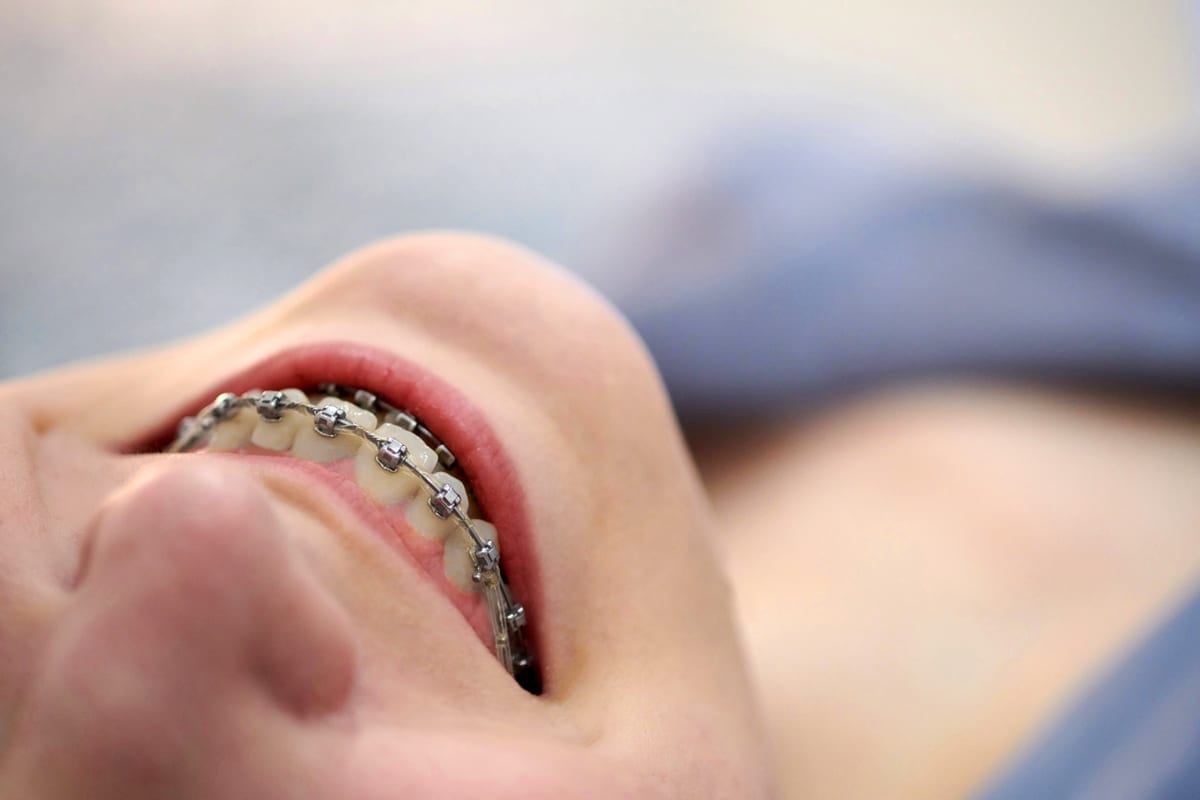
Many Tomball residents wonder whether their bite is serious enough to need braces. Others assume they already know the answer. The truth is, only a proper clinical evaluation can tell you for certain. At Watson Orthodontics, we help patients understand exactly what their bite reveals — and what comes next.
If you have ever asked yourself is your bite a candidate for braces: what our evaluation reveals in Tomball, this article is your starting point. Dr. Jim Watson and his team use a structured, science-backed process to assess each patient individually. No two bites are identical, and no two treatment plans should be either.
What Makes a Bite a Candidate for Braces in Tomball?
Not every misalignment looks the same. Some patients have obvious crowding. Others have spacing issues, deep bites, or crossbites that are not immediately visible. Each of these conditions can affect both function and long-term oral health.
Braces work by applying consistent pressure to gradually shift teeth into better alignment. They are highly effective for a wide range of bite concerns. That said, the right treatment depends on the severity and type of misalignment present.
Common bite issues that often make patients strong candidates include:
- Overcrowding — teeth have too little space to align properly
- Overbite — upper front teeth overlap the lower teeth too far
- Underbite — lower teeth sit in front of upper teeth
- Crossbite — upper and lower teeth do not meet symmetrically
- Open bite — front teeth do not touch when the mouth is closed
- Spacing gaps — noticeable spaces between teeth
Any one of these concerns may be enough to recommend braces. In some cases, multiple issues exist at once. That is why a professional evaluation is essential before drawing any conclusions.
What Happens During Your Bite Evaluation at Watson Orthodontics
Your evaluation at our Tomball office is thorough and comfortable. We take time to understand your goals before we examine your teeth. Dr. Watson believes patients deserve to feel informed, not rushed.
The evaluation process typically includes several key steps:
- Health history review — We begin by learning about your dental background and any symptoms you have noticed.
- Visual examination — Dr. Watson carefully examines your teeth, gums, and jaw alignment.
- Digital X-rays — These help us see the position of tooth roots and underlying bone structure.
- Bite assessment — We evaluate how your upper and lower teeth come together during normal function.
- Discussion of findings — We walk you through exactly what we found and what it means for treatment.
This process gives us a complete picture of your oral health. It also allows us to identify factors that could affect treatment timing or approach. The goal is clarity — you should leave knowing exactly where you stand.
We proudly serve patients seeking Orthodontics Spring Tx Tomball and surrounding areas with this same thorough evaluation process. Our team is committed to making every visit feel educational and empowering.
Factors That Determine the Best Treatment Approach
Being a candidate for braces is one thing. Choosing the right type of braces is another conversation entirely. Several factors influence which approach Dr. Watson may recommend for your specific case.
Age plays a role, but it is not the only factor. Children, teens, and adults all respond well to orthodontic treatment. However, the timing can affect how quickly results are achieved. Early intervention often simplifies later treatment needs.
Bite severity also matters. Mild misalignments may respond well to clear aligner options like Invisalign. More complex cases often benefit from the precision of traditional braces. Dr. Watson will help you understand which option fits your situation best.
Lifestyle and personal preference also factor into treatment planning. Some patients prefer a discreet option. Others prioritize speed or simplicity. We take all of these considerations seriously during your evaluation. Our practice offers Orthodontics For All Ages Tomball, so every member of your family can receive personalized care.
Why Early Evaluation Matters for Long-Term Oral Health
Many patients wait until a problem becomes uncomfortable before seeking help. By that point, certain bite issues may have already affected jaw function or caused uneven tooth wear. Early evaluation gives you more options and often leads to more efficient treatment.
The American Association of Orthodontists recommends that children receive their first orthodontic screening by age seven. At this stage, Dr. Watson can identify developing concerns before they become complex. For adults, evaluation is equally important — it is never too late to address bite issues.
Leaving a misaligned bite untreated can lead to additional concerns over time. These may include jaw discomfort, difficulty chewing, and even speech challenges. Addressing your bite proactively is one of the most effective ways to protect your long-term dental health.
A proper evaluation is not just about aesthetics. It is about function, comfort, and confidence — all things that matter deeply to our Tomball patients and to Dr. Watson’s team every single day.
Taking the Next Step Toward a Healthier Bite
Understanding whether your bite is a candidate for braces starts with one honest conversation. Dr. Jim Watson and the entire Watson Orthodontics team are here to guide you through every step. We make the evaluation process straightforward, educational, and completely pressure-free.
Tomball families trust us because we take the time to listen and explain. We do not believe in one-size-fits-all recommendations. Every patient who walks through our doors gets a personalized assessment based on their unique needs.
If you have been wondering whether braces are right for you or someone in your family, do not wait. The sooner you understand your options, the sooner you can take action. Book Now to schedule your appointment with our team.
Frequently Asked Questions
How do I know if my bite really needs braces?
The most reliable way to know is through a professional evaluation. Common signs include crowding, gaps, difficulty chewing, or jaw discomfort. However, some bite issues are not visible without X-rays and clinical examination. Dr. Watson can give you a clear answer after assessing your specific situation.
At what age should someone get a bite evaluation?
Children should ideally receive their first orthodontic screening around age seven. This allows early identification of developing issues. That said, teens and adults benefit equally from evaluation. Orthodontic treatment is effective at any age, and Watson Orthodontics welcomes patients throughout all life stages.
What is the difference between braces and Invisalign for bite correction?
Both braces and Invisalign can correct a wide range of bite issues. Traditional braces use brackets and wires to apply precise pressure over time. Invisalign uses a series of clear, removable aligners. The best choice depends on the type and severity of your bite concern, as well as your personal preferences.
Does a bite evaluation hurt?
No. The evaluation process at Watson Orthodontics is entirely comfortable. It involves a visual exam, digital X-rays, and a conversation with Dr. Watson. There are no needles or uncomfortable procedures involved. Most patients find the appointment straightforward and informative.
How long does orthodontic treatment take once I start?
Treatment duration varies depending on the complexity of your bite and the method used. Many patients complete treatment within 12 to 24 months. Some cases resolve sooner, while more complex situations may take longer. Dr. Watson will give you a realistic timeline estimate during your initial evaluation.