
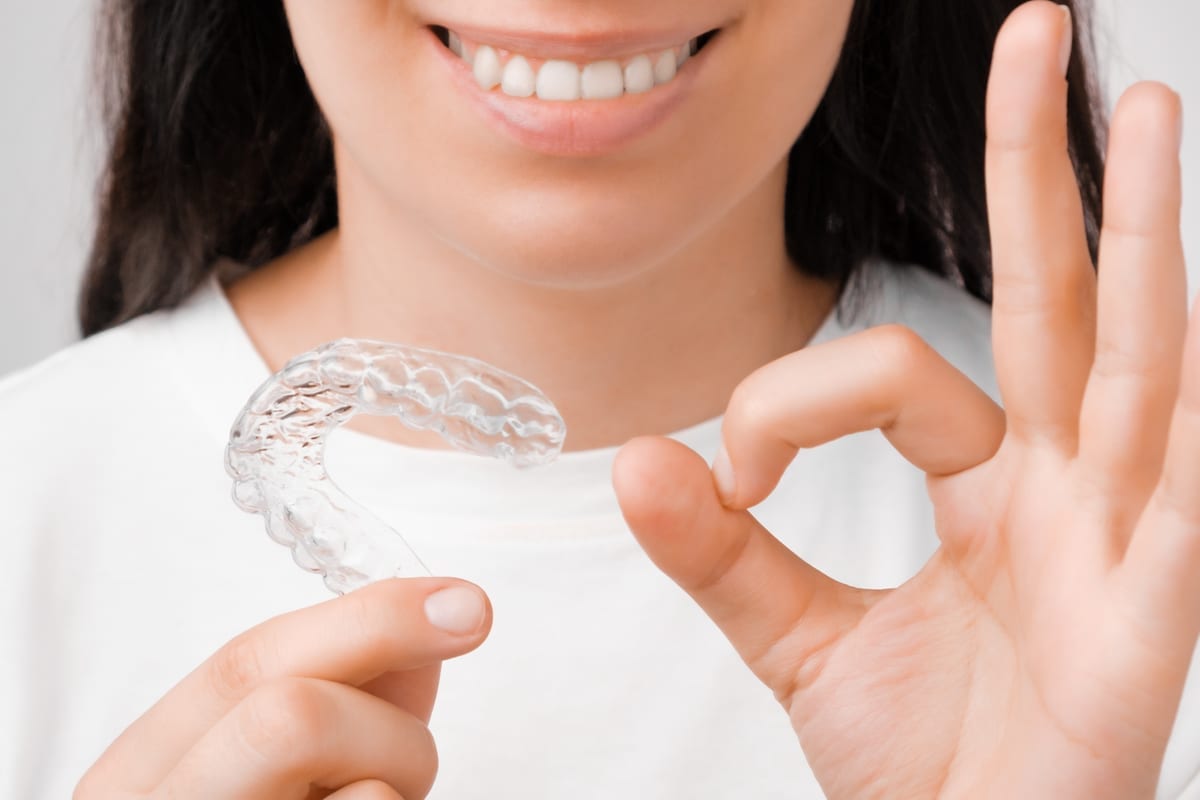
Choosing between Invisalign and braces is one of the biggest decisions adult patients face. If you live in Tomball and are weighing your options, you are not alone. The question of Invisalign vs. Braces: Which Is Right for Your Adult Smile in Tomball depends on several personal factors. Dr. Jim Watson at Watson Orthodontics helps adults make confident, informed choices every day.
Both treatments can deliver a straighter, healthier smile. But they differ in comfort, appearance, lifestyle impact, and cost. Understanding those differences helps you choose the path that fits your life. This article walks you through everything you need to know.
Invisalign vs. Braces: How Each Treatment Works
Traditional braces use metal brackets bonded directly to your teeth. Wires connect those brackets and apply steady pressure over time. Dr. Watson adjusts the wires at regular visits to keep your teeth moving on track. Most adults complete treatment in 18 to 36 months.
Invisalign uses a series of clear, removable plastic aligners. You swap to a new set roughly every one to two weeks. Each set nudges your teeth slightly closer to their final position. Treatment length varies but often falls between 12 and 24 months for adults.
Both systems work through consistent, controlled pressure. The delivery method is simply different. Your specific bite issues and lifestyle will help determine which approach works best. A consultation with Dr. Watson is the clearest way to find out.
Comfort and Daily Life: What Adults Notice Most
Adult patients often rank comfort near the top of their priority list. Braces can cause initial soreness after each adjustment appointment. The brackets and wires may also irritate the inside of your cheeks. Most patients adapt within the first few weeks.
Invisalign aligners are smooth and have no sharp metal edges. Many adults find them more comfortable day to day. However, each new tray can cause mild pressure for the first day or two. That sensation signals the aligners are doing their job.
One major lifestyle advantage of Invisalign is removability. You take them out to eat, drink, brush, and floss. This makes oral hygiene significantly easier during treatment. Braces require more careful cleaning around brackets and wires.
- Braces: Fixed in place, no risk of forgetting to wear them
- Invisalign: Removable for meals and oral care, more dietary freedom
- Braces: May restrict certain crunchy or sticky foods
- Invisalign: Requires discipline to wear 20 to 22 hours per day
- Both: Require regular check-in visits with Dr. Watson
Appearance and Confidence During Treatment
Many adults choose Invisalign specifically for its discreet appearance. The clear aligners are nearly invisible in photos and everyday interactions. This matters especially for professionals, parents, and active social adults. If visibility is a top concern, Invisalign often wins that comparison.
Braces have also evolved considerably. Ceramic braces use tooth-colored brackets that blend more naturally. They are far less noticeable than traditional metal options. However, they are still visible up close.
Metal braces remain the most affordable and durable option for many patients. Some adults actually embrace the look. It comes down to personal preference and professional context. Dr. Watson will discuss all available options during your consultation.
Treatment Scope: Which Option Handles Your Case?
This is where many adults are surprised. Invisalign has advanced significantly in recent years. It can now treat a wide range of bite issues, including crowding, spacing, and mild to moderate overbites. The technology continues to expand what clear aligners can accomplish.
However, complex orthodontic cases sometimes still require braces. Severe crowding, significant jaw misalignment, and certain bite corrections respond better to fixed appliances. Dr. Watson evaluates each patient individually to determine what treatment can realistically achieve.
Adults seeking Orthodontics For All Ages will find that treatment planning looks different at every life stage. Bone density, existing dental work, and gum health all play a role in adult cases. That is why a thorough exam matters before choosing any treatment.
- Mild to moderate crowding — often treatable with Invisalign
- Significant bite misalignment — may require braces
- Spacing issues — typically addressed well by both options
- Existing dental restorations — discussed during your exam with Dr. Watson
- Relapse after previous treatment — either option may apply
Cost Comparison for Adult Orthodontic Treatment in Tomball
Cost is a practical consideration for every adult patient. Braces are generally the more affordable starting point for straightforward cases. Invisalign can cost more due to the custom aligner fabrication process. However, the gap between the two has narrowed in recent years.
At Watson Orthodontics, Dr. Watson provides transparent cost estimates after a full evaluation. Flexible payment options are available to help make treatment accessible. The right choice is the one that fits both your smile goals and your budget. Neither option should be dismissed without a real conversation first.
Patients across the region also explore options at our nearby location. If you are searching for Orthodontics Spring Tx, Watson Orthodontics serves patients from multiple communities. Tomball residents benefit from convenient local access to the same expert care.
Which Treatment Is Right for You?
There is no universal answer to the Invisalign vs. braces question. The right choice depends on your bite complexity, lifestyle, aesthetic goals, and commitment level. Invisalign suits patients who value discretion and removability. Braces suit patients who prefer a set-it-and-forget-it approach to compliance.
Dr. Jim Watson brings years of orthodontic experience to every patient consultation. He takes time to understand your goals before recommending any treatment. The conversation is educational, not pressured. You leave knowing exactly what your options are and what to expect.
If you are ready to take the next step toward a straighter smile in Tomball, Watson Orthodontics is here to guide you. Schedule your consultation and get a personalized recommendation from Dr. Watson. Book Now to schedule your appointment with our team.
Frequently Asked Questions
Is Invisalign as effective as braces for adults?
Invisalign is highly effective for mild to moderate orthodontic issues in adults. It has improved significantly and can treat many cases that once required braces. However, complex bite problems may still respond better to traditional braces. Dr. Watson will evaluate your specific needs and recommend the most effective option.
How long does Invisalign take for adults compared to braces?
Invisalign treatment for adults typically ranges from 12 to 24 months. Traditional braces often take 18 to 36 months for adult cases. Individual timelines depend on the complexity of your bite and how consistently you wear your aligners. Dr. Watson provides a personalized estimate during your consultation.
Can I switch from braces to Invisalign partway through treatment?
In some cases, patients can transition between treatment types. This depends on how much correction has already been achieved and what remains. Dr. Watson would need to re-evaluate your progress before recommending any change. It is not a common step, but it is worth discussing if your circumstances change.
Do adults need a retainer after Invisalign or braces?
Yes, retainers are essential after any orthodontic treatment regardless of the method used. Teeth naturally shift over time without retention. Dr. Watson provides detailed guidance on retainer use after your treatment is complete. Wearing your retainer as directed protects your investment long-term.
What makes Watson Orthodontics a good choice for adult patients in Tomball?
Dr. Jim Watson has extensive experience treating adult orthodontic cases in the Tomball area. He offers both Invisalign and traditional braces under one roof. His approach is thorough, educational, and tailored to each patient’s lifestyle. Adult patients appreciate the personalized attention and clear communication at every visit.