
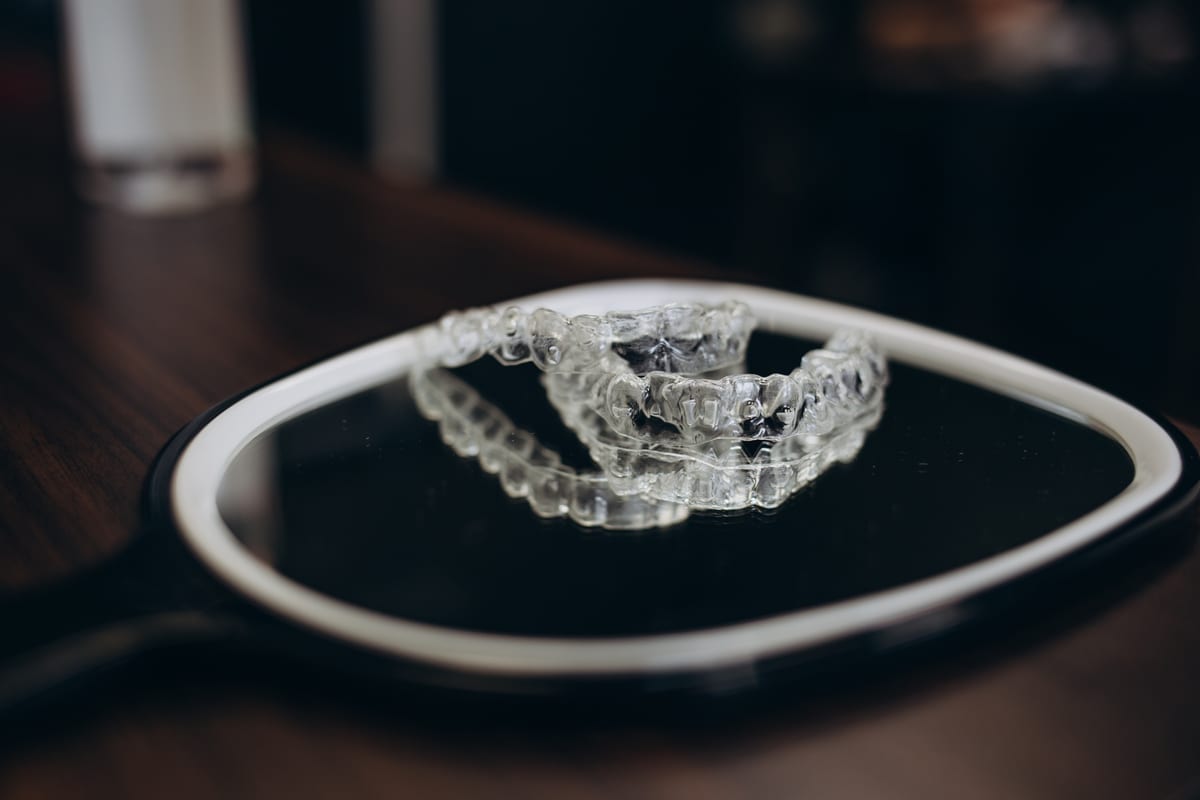
Completing your Invisalign treatment is a huge milestone. Your smile looks straighter, your confidence has grown, and you feel like you’ve crossed the finish line. But here’s the truth: your Invisalign journey doesn’t end when you remove your last aligner tray. Retainers are non-negotiable in Houston and everywhere else — and understanding why can protect every bit of progress you’ve made. Dr. Jim Watson at Watson Orthodontics wants every patient to finish treatment informed and prepared for this critical next step.
Why Your Teeth Don’t Stop Moving After Invisalign
Many patients assume their teeth will stay put once aligners are done. Unfortunately, that’s not how biology works. Teeth are anchored in soft tissue and bone — and both of those materials remain flexible long after treatment ends.
Without a retainer, teeth naturally drift back toward their original positions. This process is called orthodontic relapse. It can begin within days of stopping wear. Even small shifts can undo months of careful alignment work.
The bone around your teeth needs time to solidify and stabilize in its new position. Think of it like setting concrete — it takes time to fully harden. Retainers hold everything in place during that critical window.
This is why retainers are considered a non-negotiable part of any Invisalign journey, not an optional add-on. Skipping this phase puts your entire investment at risk.
What Happens Without a Retainer — Real Consequences Houston Patients Should Know
Let’s be direct about what orthodontic relapse actually looks like. Teeth don’t always shift dramatically overnight. More often, the changes are gradual and subtle at first.
Here’s what Houston Invisalign patients commonly experience without consistent retainer use:
- Front teeth begin to crowd or overlap again
- Gaps that were closed start to reopen
- Bite alignment shifts, causing uneven wear on teeth
- Speech patterns can be affected by bite changes
- Patients may need to restart orthodontic treatment entirely
These aren’t scare tactics — they’re documented outcomes seen in orthodontic practices every day. The good news is that relapse is almost entirely preventable. Consistent retainer wear is the solution.
Dr. Jim Watson has seen patients who skipped retainers and returned needing new treatment. That experience is frustrating and avoidable. Protecting your results starts the day your last aligner comes out.
Types of Retainers: Which One Is Right for You?
Not all retainers are the same. Watson Orthodontics offers options depending on each patient’s needs, lifestyle, and the complexity of their original treatment.
Here are the most common retainer types used after Invisalign:
- Clear removable retainers: These look similar to Invisalign trays. They’re discreet, comfortable, and easy to clean.
- Hawley retainers: These are made of wire and acrylic. They’re durable and adjustable if minor tweaks are needed.
- Fixed (bonded) retainers: A thin wire is bonded behind the front teeth. These work continuously without any patient effort.
Many patients after Invisalign prefer clear retainers because they blend seamlessly into daily life. Dr. Watson will recommend the best option based on your specific bite and tooth movement history.
Some patients benefit from combining a fixed retainer on the lower teeth with a removable retainer on the upper. Your retention plan should be personalized — not one-size-fits-all.
How Long Do You Actually Need to Wear a Retainer?
This is the question every Houston patient asks at the end of treatment. The honest answer: retainers are typically a lifelong commitment, though the intensity of wear decreases significantly over time.
Here’s a general timeline most orthodontists follow:
- First 3–6 months: Wear your retainer full-time (20–22 hours per day). This is the most critical stabilization period.
- Months 6–12: Many patients transition to nighttime-only wear after evaluation by Dr. Watson.
- Year 2 and beyond: Nightly wear is typically recommended indefinitely to prevent long-term drift.
The transition timeline varies by patient. Factors like age, original tooth movement, and jaw structure all play a role. Dr. Watson evaluates each patient individually before adjusting their retention schedule.
It may feel like a long commitment, but nightly retainer wear quickly becomes habit. Most patients barely notice it after a few weeks.
Caring for Your Retainer: Simple Habits That Protect Your Smile
A retainer only works if it’s clean, intact, and worn consistently. Good retainer habits extend the life of the appliance and protect your oral health at the same time.
Follow these care tips to get the most from your retainer:
- Rinse your retainer with cool water every time you remove it
- Clean it daily with a soft toothbrush and mild soap — avoid toothpaste, which can scratch the surface
- Store it in its protective case whenever it’s not in your mouth
- Keep retainers away from heat — hot water and direct sunlight can warp the material
- Never wrap it in a napkin — that’s how most retainers end up in the trash
If your retainer cracks, warps, or no longer fits snugly, contact Watson Orthodontics right away. A retainer that doesn’t fit correctly provides no protection. Replacements are available and should never be delayed.
Patients interested in Orthodontics For All Ages will find that retention care applies across every age group — teens and adults alike benefit from consistent retainer habits.
Retainers After Invisalign: What to Expect at Watson Orthodontics in Houston
At Watson Orthodontics, your retention phase is treated with the same attention as your active treatment. Dr. Watson doesn’t simply hand you a retainer and send you home. He explains your specific retention plan and schedules follow-up visits to monitor stability.
Houston patients completing Invisalign at Watson Orthodontics can expect a clear, step-by-step retention process. You’ll know exactly how long to wear your retainer each day, when follow-ups are scheduled, and who to call with questions.
Watson Orthodontics also proudly serves patients seeking Orthodontics Spring Tx — bringing the same high-standard care to communities across the greater Houston area.
Your smile is an investment. The retention phase is how you protect that investment for decades to come. Dr. Watson and his team are committed to supporting patients through every phase — including the one that comes after treatment ends.
Conclusion: Your Smile Deserves Long-Term Protection
Finishing Invisalign is worth celebrating. But protecting those results requires one simple, consistent habit: wearing your retainer. Teeth will shift without support — that’s biology, not a flaw in your treatment. Retainers are non-negotiable because they are the only thing standing between your new smile and gradual relapse. Dr. Jim Watson at Watson Orthodontics is here to guide every Houston patient through a retention plan that works for real life. Book Now to schedule your appointment with our team.
Frequently Asked Questions
How soon after finishing Invisalign do I need to start wearing a retainer?
You should begin wearing your retainer immediately after your last Invisalign tray. Teeth can begin shifting within the first 24 to 72 hours without support. Dr. Watson will have your retainer ready at your final appointment so there is no gap in protection.
Can I stop wearing my retainer after a year?
Most orthodontists, including Dr. Jim Watson, recommend wearing retainers indefinitely — at least at night. After the first year of consistent wear, the risk of major relapse decreases, but teeth can still shift slowly over time without nightly support.
What happens if my retainer no longer fits?
A retainer that no longer fits snugly may mean your teeth have already shifted slightly. Do not try to force it in. Contact Watson Orthodontics right away for an evaluation. You may need a replacement retainer, and in some cases, brief corrective treatment.
Are clear retainers better than wire retainers after Invisalign?
Clear retainers are often preferred after Invisalign because they are discreet and familiar in feel. However, the best retainer depends on your specific bite, lifestyle, and how much tooth movement occurred during treatment. Dr. Watson will recommend the right type for your individual situation.
How do I know if my teeth are shifting even while wearing a retainer?
Signs of shifting include your retainer feeling tight or uncomfortable when you put it in, visible spacing between teeth, or changes in your bite. Regular follow-up visits with Dr. Watson allow for early detection of any movement so it can be addressed before it becomes significant.