
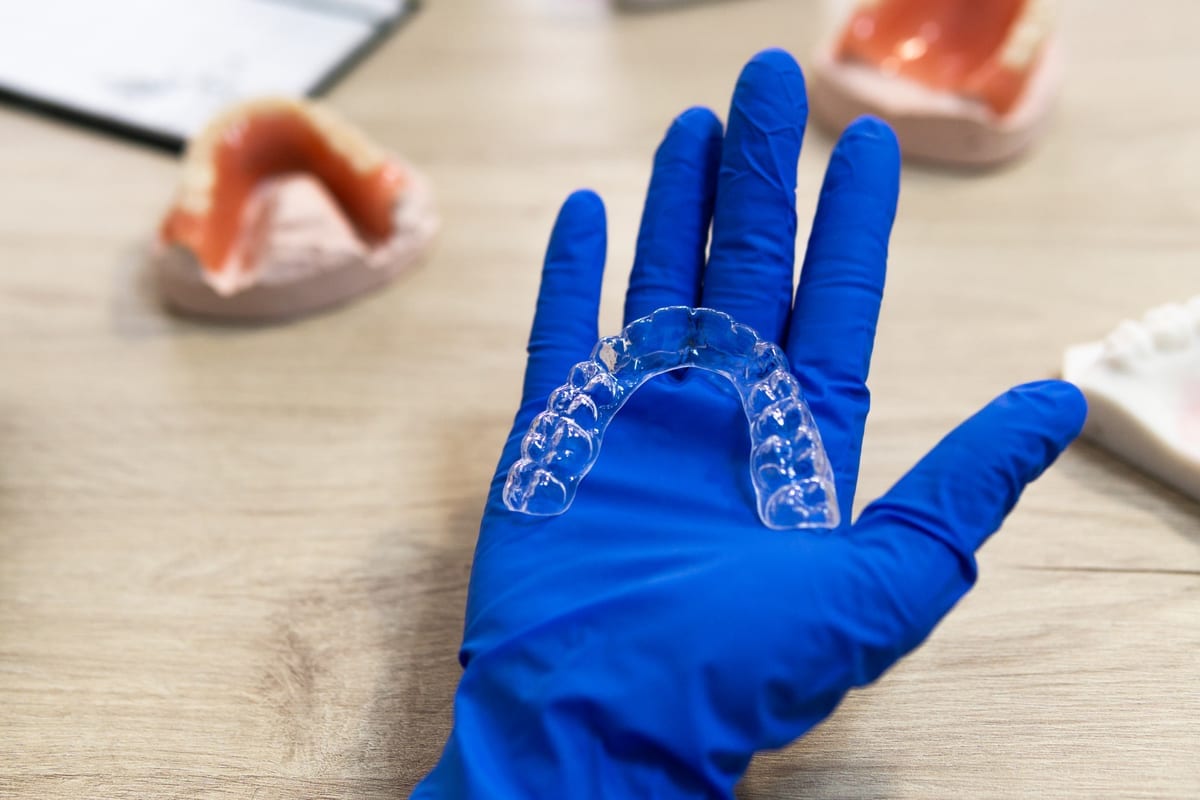
You spent months wearing your Invisalign aligners. Your teeth finally look the way you always wanted. Then someone tells you about retainers — and you wonder if they are really necessary. Understanding why your Invisalign results disappear without a retainer in Houston is one of the most important things you can learn after treatment. At Watson Orthodontics, Dr. Jim Watson wants every patient to protect the smile they worked so hard to achieve.
What Happens to Your Teeth After Invisalign
Invisalign moves your teeth by applying gentle, consistent pressure. Your bone and soft tissue gradually adapt to the new positions. But that adaptation takes time to fully stabilize. When your aligners come out, the process is not entirely finished.
Your teeth have memory. They naturally want to drift back toward their original positions. This biological tendency is called orthodontic relapse. It happens to everyone who completes orthodontic treatment — not just Invisalign patients.
The first several months after treatment are especially critical. During this window, teeth are most vulnerable to shifting. Without a retainer holding them in place, movement can begin within just a few weeks. The results you achieved through months of careful treatment can quietly reverse.
Why Retainers Are Non-Negotiable After Invisalign in Houston
A retainer is not optional. It is the final and ongoing phase of your orthodontic treatment. Think of it as the tool that locks in everything Invisalign accomplished. Skipping it means the investment of time and effort may not hold.
Houston’s active lifestyle means many patients are always on the go. Busy schedules can make it tempting to skip wearing a retainer consistently. But inconsistency is exactly what leads to relapse. Even a few nights without your retainer can allow minor shifting to begin.
There are two main types of retainers Dr. Jim Watson may recommend:
- Removable retainers: Clear, Invisalign-style trays worn at night
- Fixed retainers: A thin wire bonded behind your front teeth for continuous support
- Combination approach: A fixed wire plus a removable tray for maximum protection
Each option has benefits depending on your specific case. Dr. Watson will help you choose the right type for your smile and lifestyle.
How Long Do You Need to Wear a Retainer
This is one of the most common questions patients ask after finishing Invisalign. The honest answer is that retention is a long-term commitment. The exact timeline varies by individual, but here is what most patients can expect:
- Full-time wear (months 1–6): Wear your retainer nearly 24 hours a day, removing only to eat and brush
- Reduced wear (months 6–12): Transition to nighttime-only wear as directed by Dr. Watson
- Long-term maintenance: Nightly wear indefinitely to preserve alignment permanently
Some patients are surprised that retainers are a lifelong habit. But teeth continue to shift naturally throughout life — even without any orthodontic history. A retainer simply keeps that movement under control.
Patients who commit to their retainer schedule consistently maintain beautiful results for decades. Those who stop wearing them often find themselves needing retreatment. Prevention is always easier and more affordable than correction.
Signs Your Teeth May Already Be Shifting
Sometimes patients notice changes before their next scheduled visit. Catching early relapse quickly gives Dr. Watson the best chance to correct it with minimal intervention. Watch for these warning signs:
- Your retainer feels tighter than usual when you put it in
- There are small visible gaps or crowding that were not there before
- Your bite feels slightly off or uncomfortable
- You notice your retainer no longer fits properly
If your retainer feels tight, do not force it. That tightness means some shifting has already occurred. Wear it gently and contact Watson Orthodontics as soon as possible. Catching the issue early usually means a simple adjustment rather than retreatment.
Never assume slight shifting will correct itself. Teeth do not move back on their own. Acting quickly is always the right choice.
Protecting Your Investment With the Right Orthodontic Care
Invisalign is a significant commitment. You dedicated months to wearing aligners and attending checkups. Protecting that result with a retainer is the logical next step. Dr. Jim Watson and the Watson Orthodontics team in Houston are here to guide you through every phase — including the retention phase that makes results last.
If you are exploring orthodontic treatment options for yourself or a family member, we offer Orthodontics For All Ages to serve patients at every life stage. We also proudly serve neighboring communities, including patients seeking Orthodontics Spring Tx residents can rely on.
Retention is not the end of your orthodontic journey. It is the part that makes everything else worthwhile. With the right retainer routine and consistent follow-up care, your smile can stay aligned for life.
Ready to protect your Invisalign results? Book Now to schedule your appointment with our team.
Frequently Asked Questions
Why do Invisalign results disappear without a retainer?
After Invisalign treatment, your teeth are still settling into their new positions. Without a retainer, they naturally drift back toward where they started due to a process called orthodontic relapse. A retainer holds the teeth in their corrected positions while the surrounding bone and tissue fully stabilize.
How soon after finishing Invisalign should I start wearing a retainer?
You should begin wearing your retainer immediately after completing your final Invisalign aligner. Dr. Jim Watson will provide your retainer at your completion appointment. There should be no gap between finishing your aligners and starting retainer wear.
Can I stop wearing my retainer after a year?
Most orthodontists, including Dr. Watson, recommend wearing a retainer indefinitely — at least at night. Teeth continue to shift naturally throughout life. Long-term nightly wear is the most reliable way to keep your smile aligned and avoid the need for retreatment.
What should I do if my retainer no longer fits?
If your retainer feels tight or no longer fits correctly, contact Watson Orthodontics right away. A poor-fitting retainer usually means some tooth movement has occurred. Dr. Watson can evaluate your smile and determine whether a new retainer or a brief touch-up is needed.
Is a clear retainer the same as an Invisalign aligner?
They look similar, but they serve different purposes. Invisalign aligners are designed to move teeth gradually. A clear retainer is designed to hold teeth in their current position. Retainers are typically made from slightly different materials and are not interchangeable with your old aligners.