
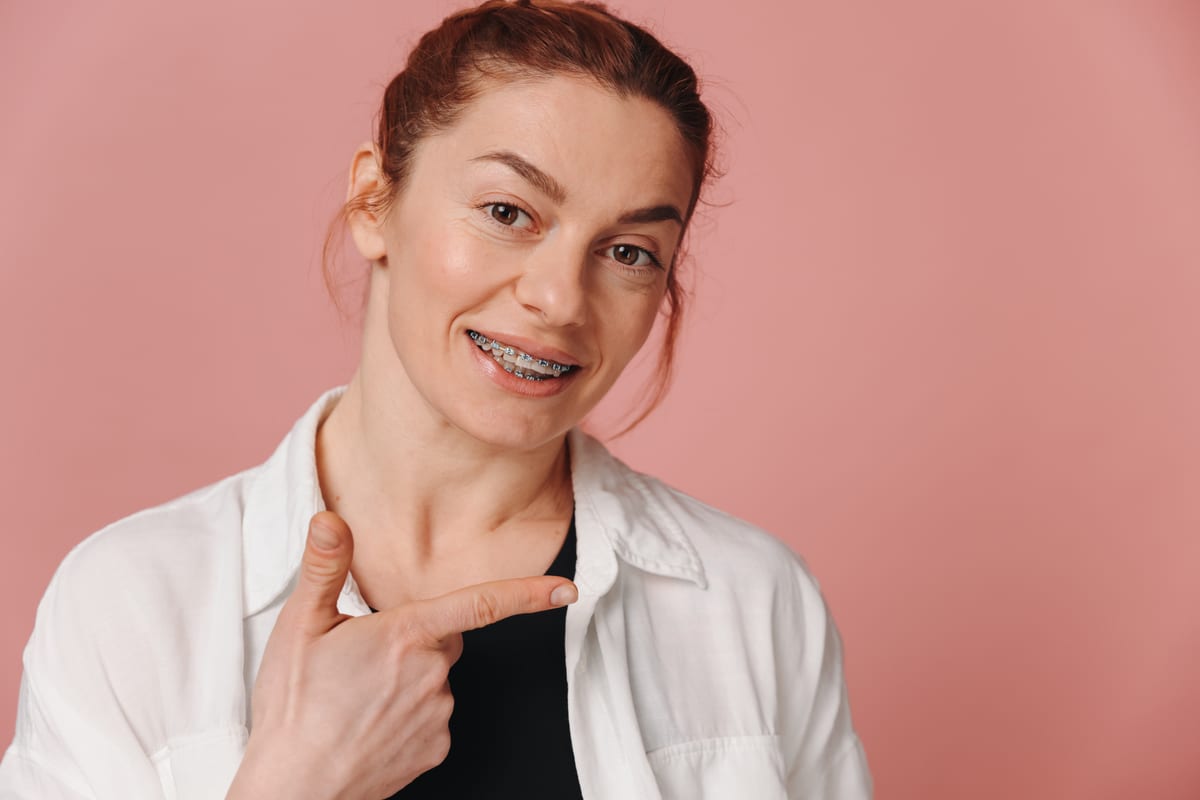
If you’ve invested time and effort into orthodontic treatment, one question probably stays on your mind. Do braces results really last forever, or will your teeth shift back in Spring? It’s one of the most common concerns Dr. Jim Watson hears from patients at Watson Orthodontics. The short answer is that braces create lasting results — but only when you follow through with the right aftercare. Understanding what keeps your smile stable is just as important as the treatment itself.
Why Teeth Naturally Want to Shift Back After Braces
Your teeth are not locked permanently in place. They sit in a living tissue called the periodontal ligament, which holds each tooth to your jawbone. That tissue has memory. After braces move your teeth, the ligament tries to pull them back toward their original positions.
This process is called orthodontic relapse. It can begin within weeks of removing braces if no retention plan is in place. The good news is that relapse is largely preventable. Knowing why it happens helps you take the right steps to stop it.
Several factors can speed up tooth shifting after treatment. These include:
- Not wearing your retainer consistently
- Natural jaw growth, especially in younger patients
- Teeth grinding or clenching habits
- Gum disease weakening the supporting tissue
- Wisdom teeth putting pressure on surrounding teeth
Each of these factors adds stress to your newly aligned smile. Addressing them early protects the work your braces already did.
How Long Do Braces Results Really Last in Spring, TX
With proper retention, braces results can last a lifetime. Many adults who wore braces decades ago still have straight teeth today. The key difference between those who maintain results and those who don’t is consistent retainer use.
Patients who wear retainers as directed tend to enjoy stable smiles for many years. Those who stop wearing retainers early are far more likely to experience shifting. Dr. Jim Watson recommends thinking of your retainer as the final phase of your treatment — not an optional add-on.
The first year after braces is the most critical period. Teeth are most likely to move during this time. After that, the risk gradually decreases, but it never fully disappears. Long-term retainer wear is the single most reliable way to protect your investment.
What Your Retention Plan Should Include
A strong retention plan starts the same day your braces come off. At Watson Orthodontics in Spring, patients receive custom retainers designed to fit their newly aligned teeth. These retainers hold your teeth in their correct positions while the surrounding tissue stabilizes.
There are two main types of retainers used after treatment. Removable retainers are worn at night and can be taken out for eating and cleaning. Fixed retainers are bonded behind the teeth and work around the clock without any effort from you.
Many patients benefit from both types working together. Your specific plan will depend on your case, your age, and how much movement occurred during treatment. Dr. Watson will walk you through the best approach for your smile.
Here is what a typical retention routine looks like after braces:
- Wear your removable retainer every night for the first year
- Transition to a few nights per week as directed by Dr. Watson
- Keep all scheduled retainer check-up appointments
- Replace your retainer if it becomes worn, warped, or lost
- Maintain excellent oral hygiene to protect your gums and bone
Invisalign vs. Braces — Does the Retention Process Differ
Patients who choose Orthodontics Spring Tx Spring treatment — whether through traditional braces or Invisalign — follow a similar retention process after completing care. Both methods move teeth through the same biological process. That means both require retainers to maintain results long-term.
Invisalign patients often transition to wearing their last aligner tray as a temporary retainer. From there, they move to a custom retainer just like patients who wore traditional braces. The timeline and commitment level are essentially the same.
Some patients assume Invisalign results are more permanent because the trays gradually shift teeth. This is a common misconception. The retention phase is equally important regardless of which treatment method you choose.
If you are exploring options for yourself or a family member, Orthodontics For All Ages Spring treatment is available at Watson Orthodontics. Dr. Watson works with children, teens, and adults to create plans that fit each stage of life.
Daily Habits That Protect Your Results Long-Term
Wearing your retainer is the most important habit, but it is not the only one. Several daily choices directly affect how stable your smile stays over time. Building good habits early makes long-term maintenance much easier.
Strong oral hygiene is essential. Gum disease weakens the bone and tissue that hold your teeth in place. When that support erodes, teeth can drift even if you wear a retainer faithfully. Brushing twice daily and flossing once a day form the foundation of lasting results.
If you grind your teeth at night, talk to Dr. Watson about a nightguard. Grinding puts significant force on your teeth and can undo alignment over time. A nightguard protects both your retainer and your teeth while you sleep.
Regular dental check-ups also play a role in longevity. Your dentist can catch early signs of shifting, gum disease, or retainer wear before they become bigger problems. Staying consistent with professional care is one of the easiest ways to protect your smile.
When to See Dr. Watson if You Notice Shifting
Even with the best habits, some patients notice minor movement over time. If you feel your bite changing or see a gap forming, do not wait. Early intervention is far simpler than repeating a full course of treatment.
In many cases, wearing your retainer more consistently can correct minor relapse. If more significant movement has occurred, short-term treatment options may be available. Dr. Watson can assess the situation and recommend the least invasive path forward.
The most important thing is to act quickly. Teeth that shift slightly are much easier to address than teeth that have moved significantly over months or years. Staying proactive protects both your smile and your budget.
At Watson Orthodontics in Spring, we are here to support you well beyond the day your braces come off. Long-term success is a partnership, and we take that responsibility seriously. Book Now to schedule your appointment with our team.
Frequently Asked Questions
Do braces results last forever without a retainer?
No, braces results do not last forever without a retainer. Once braces are removed, the surrounding tissue naturally tries to return teeth to their original positions. Wearing a retainer consistently is the only reliable way to prevent shifting and maintain your results long-term.
How soon after braces will teeth shift back?
Teeth can begin shifting within weeks of removing braces if no retainer is worn. The first year after treatment is the highest-risk period. Wearing your retainer every night during this time significantly reduces the chance of noticeable relapse.
Can I stop wearing my retainer after a few years?
Most orthodontists, including Dr. Jim Watson, recommend wearing a retainer indefinitely — even if just a few nights per week. While the risk of shifting decreases over time, it never fully disappears. Long-term retainer use is the most effective way to protect your investment.
What happens if my retainer no longer fits?
If your retainer no longer fits comfortably, it likely means some shifting has occurred. Do not try to force it. Contact Watson Orthodontics as soon as possible. Dr. Watson can evaluate any movement and determine whether a new retainer or additional treatment is needed.
Does Invisalign require the same retention process as braces?
Yes. Whether you complete treatment with traditional braces or Invisalign, the retention process is essentially the same. Both methods require custom retainers to hold your results. The biological process of tooth movement is identical, so the aftercare commitment is equally important for both treatments.