
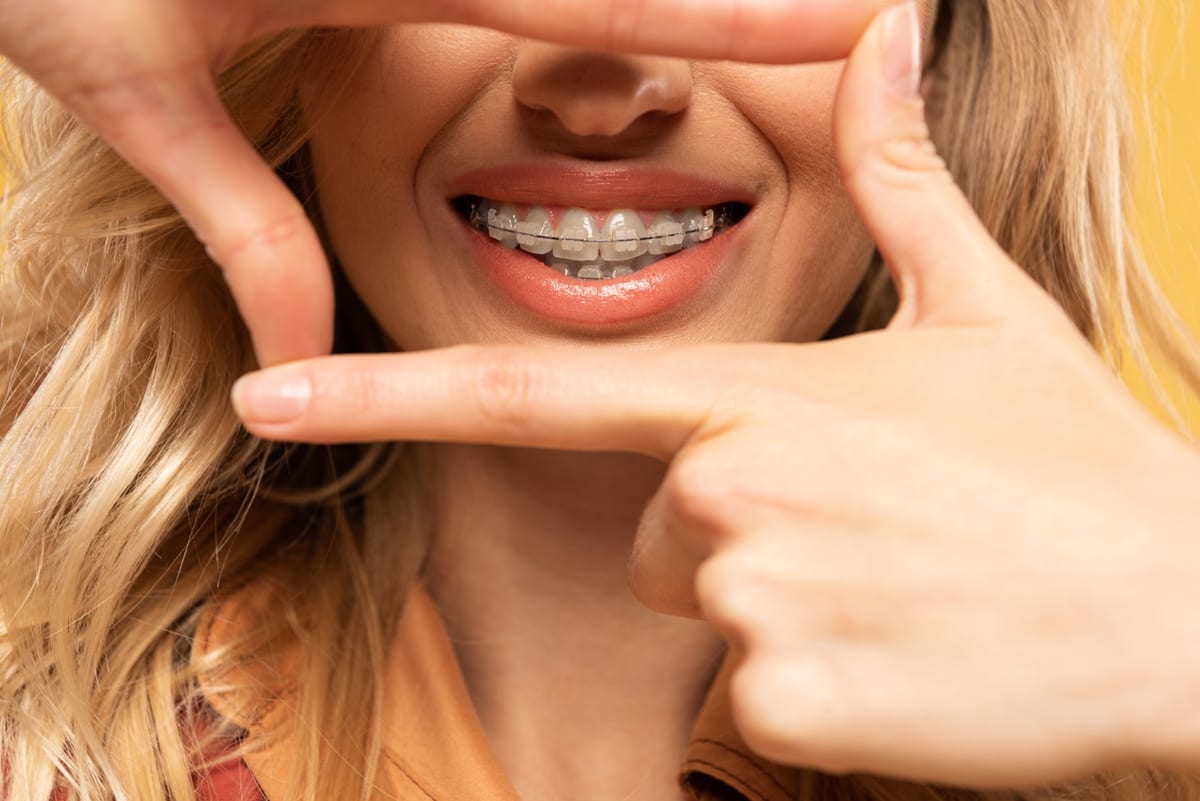
Many people wonder whether braces are really right for them. Are you actually a candidate for braces in Spring? The honest answer is that most people qualify — but the details matter. At Watson Orthodontics, Dr. Jim Watson helps patients understand exactly where they stand before committing to any treatment. A thorough evaluation always comes first.
Candidacy depends on several factors, including age, jaw development, and the specific alignment issues present. Understanding those factors helps you make a confident, informed decision. This guide walks you through the key considerations so you know what to expect.
Who Typically Qualifies for Braces in Spring, TX?
Braces work by applying steady, gentle pressure to shift teeth into better alignment over time. This makes them effective for a wide range of orthodontic concerns. Most children, teens, and adults can benefit from treatment. Age alone rarely disqualifies someone.
Common issues that braces address include crowding, spacing, overbite, underbite, crossbite, and open bite. If you have any of these concerns, you are likely a strong candidate. Even mild misalignment is worth evaluating. Left untreated, small problems can become larger ones over time.
Adults are increasingly choosing Orthodontics Spring Tx options because modern braces are more discreet and comfortable than ever. There is no upper age limit for orthodontic treatment. What matters most is the health of your teeth, gums, and bone structure — not your birth year.
What the Evaluation Process Actually Involves
Dr. Watson conducts a comprehensive exam before recommending any treatment. This goes far beyond a simple look at your teeth. The evaluation gives you a complete picture of your orthodontic health. It also identifies any underlying issues that need to be addressed first.
Here is what a typical candidacy evaluation includes at Watson Orthodontics:
- A full clinical exam of your teeth, gums, and jaw alignment
- Digital X-rays to assess bone structure and tooth roots
- Photographs and dental impressions or 3D scans
- A review of your dental and medical history
- A discussion of your smile goals and lifestyle preferences
This information helps Dr. Watson determine which treatment approach is the best fit. Not every patient needs the same solution. Some cases are straightforward, while others require a more customized plan. The evaluation removes all guesswork from the process.
Factors That Influence Your Candidacy
Several specific factors shape whether braces are the right starting point. Understanding these helps you set realistic expectations going in. Dr. Watson reviews each factor carefully with every patient. No detail is too small when it comes to planning your treatment.
Key factors include:
- Gum health: Healthy gums are essential before braces begin. Active gum disease must be treated first.
- Bone density: Adequate bone support allows teeth to move safely and predictably.
- Severity of misalignment: Mild to moderate cases often respond quickly to treatment. Severe cases may take longer or require additional steps.
- Age and jaw growth: Younger patients benefit from ongoing jaw development. Adults may need different strategies for certain bite issues.
- Previous dental work: Crowns, bridges, or missing teeth can affect the treatment plan but rarely rule out braces entirely.
The goal is always to find the safest and most effective path forward. Dr. Watson takes time to explain how each factor applies to your specific situation. You will never feel rushed or pressured during your consultation.
Braces vs. Other Orthodontic Options — Which Is Right for You?
Not every candidate for orthodontic treatment needs traditional braces. Some patients are better suited to Invisalign clear aligners. Others may benefit from a combination approach. The right choice depends on your bite complexity, lifestyle, and personal preferences.
Traditional braces remain the gold standard for complex cases. They offer precise control over tooth movement. Braces are especially effective for significant bite corrections and severe crowding. They also work well for patients who prefer a set-it-and-forget-it approach.
Invisalign is a popular alternative for mild to moderate misalignment. Clear aligners are removable, virtually invisible, and comfortable to wear. Many adults and teens in Spring choose this option for its flexibility. Dr. Watson offers Orthodontics For All Ages to ensure the right solution is available regardless of where you are in life.
During your evaluation, Dr. Watson will present all relevant options clearly. He will explain the pros and cons of each approach as they apply to your case. You will always have a voice in the final treatment decision. The goal is a plan that fits your life, not just your teeth.
When Is the Best Time to Start?
Many orthodontists recommend an initial evaluation around age seven. At this stage, Dr. Watson can spot developing issues before they become more complex. Early evaluation does not always mean early treatment. It simply means you have more options and time to plan.
For teens and adults, the best time to start is whenever you are ready. Waiting does not usually improve your situation. In fact, some alignment problems can worsen with time. Starting treatment sooner often means a shorter overall treatment duration.
Spring families trust Watson Orthodontics because Dr. Watson takes a patient-centered approach at every age. Whether your child needs early intervention or you are an adult finally addressing a lifelong concern, the process begins the same way — with an honest evaluation and a clear plan.
Conclusion: Take the First Step Toward Knowing Your Options
Figuring out whether you are actually a candidate for braces in Spring does not have to be complicated. Dr. Jim Watson makes the evaluation process simple, thorough, and stress-free. You walk away with real answers and a clear path forward — not a sales pitch. Book Now to schedule your appointment with our team.
Frequently Asked Questions
At what age should my child have their first orthodontic evaluation?
The American Association of Orthodontists recommends an initial evaluation by age seven. At this age, Dr. Watson can identify developing issues and determine whether early treatment is beneficial. Many children will simply be monitored until the right time for treatment arrives.
Can adults get braces even if they have dental work like crowns or fillings?
Yes, in most cases. Existing dental work does not automatically disqualify you from braces. Dr. Watson reviews your full dental history during the evaluation and adjusts the treatment plan as needed. Each case is assessed individually to ensure safety and effectiveness.
How long does a candidacy evaluation take at Watson Orthodontics?
A comprehensive evaluation typically takes about 60 to 90 minutes. This includes X-rays, photos, scans, a clinical exam, and a detailed consultation with Dr. Watson. You will leave with a clear understanding of your options and next steps.
What is the difference between braces and Invisalign for candidacy purposes?
Braces are generally recommended for more complex alignment and bite issues. Invisalign works best for mild to moderate cases and patients who prioritize discretion and flexibility. Dr. Watson evaluates your specific needs and recommends the option most likely to achieve your goals efficiently.
Do I need a referral from my dentist to see Dr. Watson in Spring?
No referral is required to schedule a consultation at Watson Orthodontics. You can contact the office directly to set up your evaluation. Dr. Watson welcomes patients of all ages and works collaboratively with your general dentist when needed.