
People notice your smile right away, and the impression it creates sticks with them. If you feel good about your smile, that confidence follows you everywhere, from your personal life to your career. But if you’re not happy with your teeth, especially if they’re crooked or out of place, it can really hold you back. That’s where Invisalign comes in.
Forget everything you know about clunky metal braces. Invisalign uses a set of clear aligners that gently move your teeth where they need to go. If you want a low-key, comfortable way to straighten your teeth without the whole world noticing it, Invisalign is the treatment for you. In this post, we’ll walk you through how Invisalign can boost both your smile and your confidence.
Definition of Invisalign
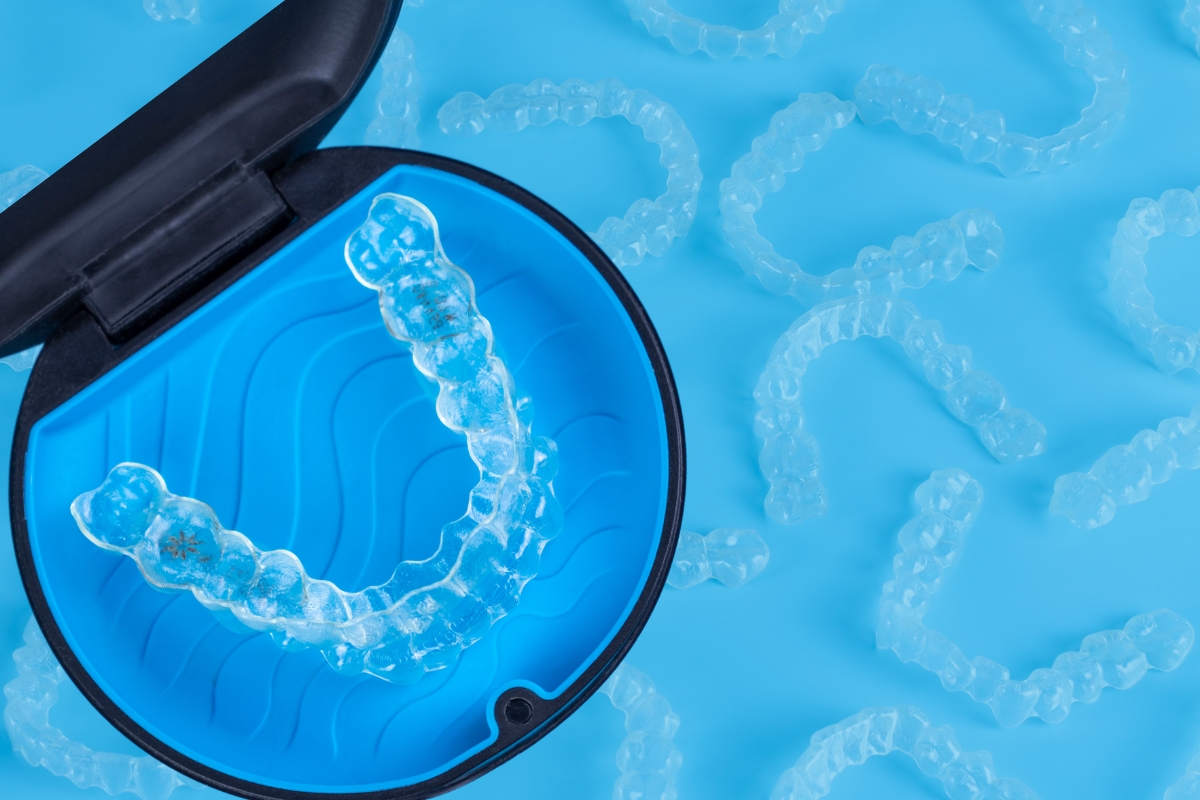
Invisalign is a modern take on orthodontics. Instead of wires and brackets, you get a series of smooth, clear aligners custom-made just for your teeth. They’re almost invisible, so you can go about your day without feeling self-conscious. Every few weeks, you swap out your aligners as your teeth shift into place.
You can also pop them out whenever you need to eat or drink—no food stuck in braces, no weird brushing routines. You just brush and floss like you always do, which makes keeping your teeth clean way easier.
Invisalign works for all sorts of alignment issues: crowded teeth, gaps, bite problems—you name it. The aligners use steady, gentle pressure to move your teeth where they belong.
Why do people love Invisalign?
- You barely notice them. The aligners are clear, so most people won’t even know you’re wearing them. That’s huge if you’re not into the idea of metal braces.
- They fit your teeth perfectly. Every set is made just for you, so they’re comfortable and do the job right.
- No poking wires or sharp brackets. The invisible aligners are smooth, so you don’t have to deal with mouth irritation.
- You can take them out anytime. Eat what you want, brush like usual, and get on with your day.
Your smile also affects how you feel about yourself. When you like what you see in the mirror, it shows—you stand taller, speak up more, and just feel better around other people. Invisalign quietly fixes your teeth in the background, so you get all the benefits without drawing attention.
How does Invisalign boost your confidence?
- Your smile gets more balanced and attractive as your teeth move into place. That alone can change the way you see yourself.
- The process is comfortable. No sore gums, no weird adjustments. You just wear the aligners and focus on your life.
- Results come quickly. Most people start noticing changes in just a few months, and the whole process usually wraps up in about a year to a year and a half.
At the end of the day, Invisalign isn’t just about straighter teeth—it’s about liking what you see when you smile and letting that confidence spill over into everything you do.
Is Invisalign right for you?
The first step is to talk to an orthodontist. While Invisalign works for many people, traditional braces are still the better choice for more complex cases. But for most patients with mild to moderate issues, Invisalign is a solid option.
Invisalign is simple, it works, and it can totally change how you feel about your smile. Reach out to Watson Orthodontics and book a consultation—we’ll help you determine whether Invisalign fits your needs. Don’t hold back your smile any longer.
FAQs
Can I eat and drink with Invisalign?
Yes, Invisalign aligners are removable, so you can take them out when eating or drinking. This allows you to maintain your regular diet without any restrictions.
Does Invisalign hurt?
Invisalign is generally more comfortable than traditional braces. You may experience some discomfort as your teeth begin to shift, but the aligners are smoother and gentler than metal braces.
How often do I need to change my Invisalign aligners?
You’ll typically change your Invisalign aligners every 1-2 weeks, depending on your treatment plan. Your orthodontist will provide guidance on when to switch to the next set.
Can Invisalign fix severe dental issues?
Invisalign can address a wide range of dental problems, but more complex cases, such as severe bite issues or large gaps, may require traditional braces. It’s best to consult with an orthodontist to determine the right treatment for your needs.