
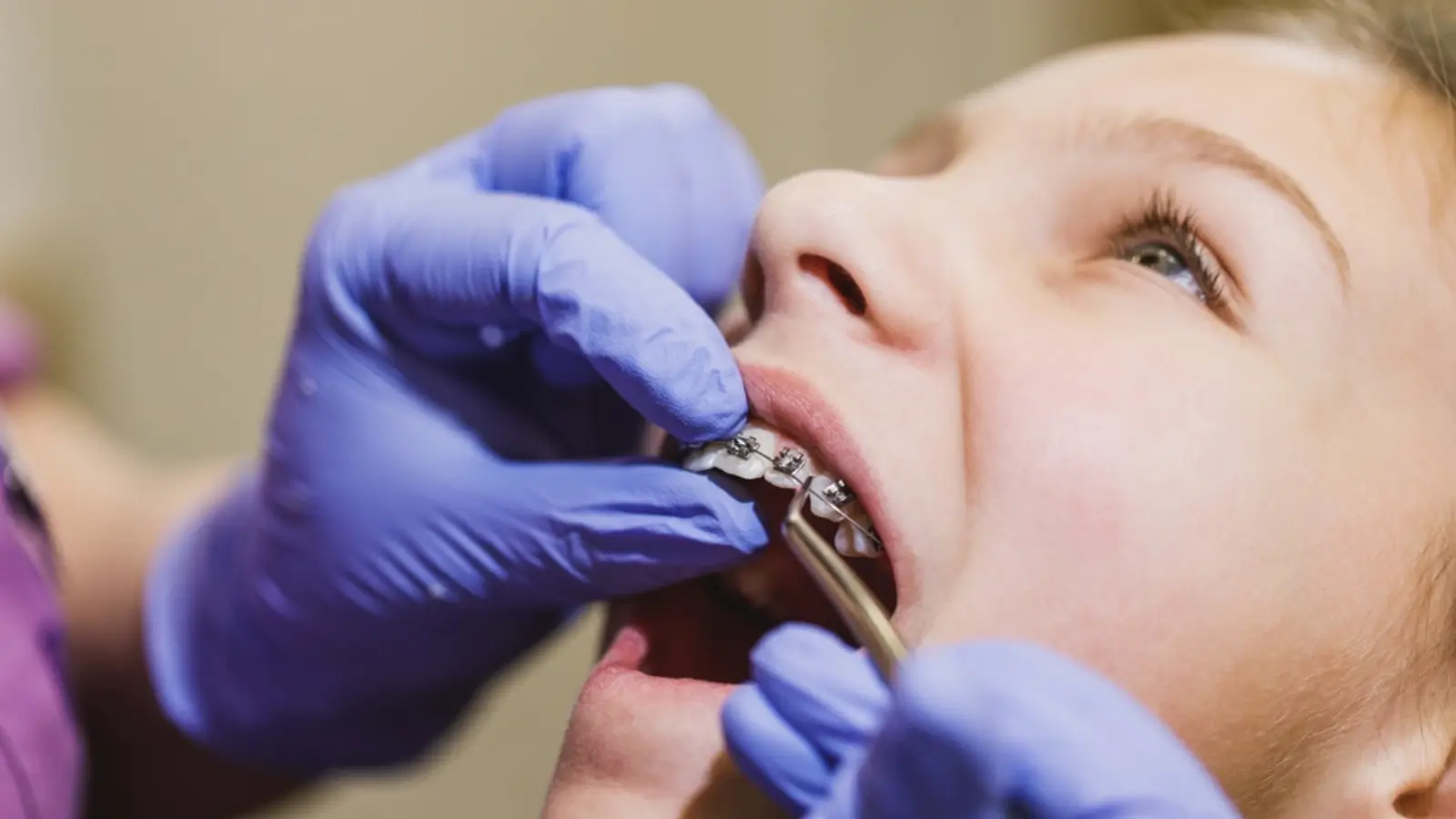
If you’ve noticed some changes in your kid’s teeth or bite, it might be more than just a phase. Early orthodontic issues are easier to correct—and often cheaper—when caught in time.
Let’s break down the 6 clear signs that could mean it’s time to book a braces consultation, and why starting early can set your child up for a lifetime of confident smiles.
6 Ways To Tell If Your Child Needs Braces for Kids, More Than Ever
1. Crooked or Crowded Teeth
The most obvious sign? Teeth that overlap, twist, or crowd together. Not only do these alignment issues affect appearance, but they can also make it difficult for your child to brush and floss effectively—leading to plaque buildup and cavities.
If your child’s adult teeth are coming out of line, don’t wait. Orthodontic treatment is most effective while the jaw is still growing.
2. Difficulty Chewing or Biting
Is your child avoiding certain foods or chewing strangely? Braces aren’t just cosmetic—they’re functional. Misaligned teeth can affect how your child bites down and digests food.
Watch for:
- Avoiding chewy or crunchy foods.
- Complaints about jaw pain.
- Uneven chewing patterns.
Correcting bite problems early can prevent bigger issues with speech, nutrition, and oral health later.
3. Early or Late Loss of Baby Teeth
The timing of baby tooth loss matters more than you might think. If teeth fall out too early, neighboring teeth can shift into the empty space, blocking adult teeth. If they fall out too late, they can crowd new teeth trying to come in.
Orthodontists often use this timing to decide the ideal age for treatment, especially while considering braces for kids in Spring. It’s all about guiding the proper growth of your child’s jaw and teeth.
4. Overbite, Underbite, or Crossbite
These bite problems are more than just cosmetic. They can cause uneven wear on teeth, jaw discomfort, and even speech issues. Let’s break them down:
- Overbite: Top front teeth extend far over the bottom ones.
- Underbite: Lower teeth protrude beyond the upper ones.
- Crossbite: Some upper teeth sit inside lower teeth.
If you notice any of these, especially while your child talks or chews, it’s time to book a consultation.
5. Mouth Breathing or Snoring
You might not expect it, but how your child breathes can affect their jaw development. Persistent mouth breathing or snoring can indicate underlying issues with jaw alignment or airway obstruction—which orthodontic treatment can help manage.
Plus? Braces can even improve your child’s sleep quality by correcting their bite and helping with airway flow, while also contributing to better oral health in the long run..
6. Thumb Sucking Beyond Age 5
While thumb sucking is normal in toddlers, doing it past the age of 5 can push the front teeth forward and misalign the bite. This is a big red flag for future orthodontic treatment.
If your child is still sucking their thumb after kindergarten, it’s a good idea to check in with a pediatric dentist or orthodontist to prevent more serious complications down the road.
Why Early Screening Matters
According to the American Association of Orthodontists, children should have their first orthodontic evaluation by age 7.
This doesn’t always mean braces right away—but it does allow the orthodontist to monitor and intercept any developing issues before they worsen.
Timing is Everything
The earlier the issues are identified, the easier and faster they can be corrected. Interceptive orthodontics can:
- Shorten total treatment time.
- Reduce the need for extractions.
- Prevent serious jaw misalignment.
And best of all? It gives your child the confidence of a healthy, aligned smile sooner.
Don’t Wait—Get That Smile Checked
Catching these signs early means less invasive treatment and better long-term results for your child’s smile. From crooked teeth to bite issues and speech problems, braces can make a world of difference—not just in appearance, but in oral health and confidence too.
Think your child might need braces? Schedule a consultation with our pediatric or orthodontic specialist today. That small step could lead to a lifetime of big smiles.