
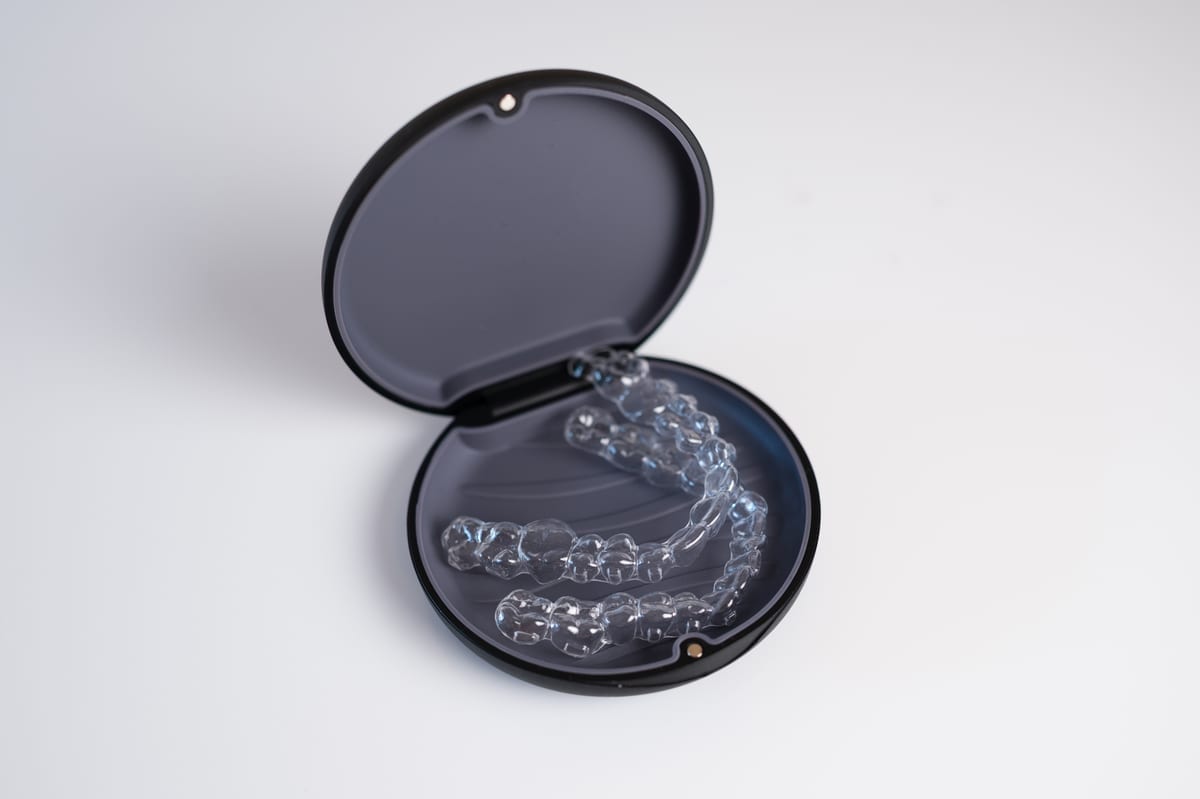
Invisalign has transformed how millions of people straighten their teeth. But is your smile a good fit for Invisalign — and what works and what doesn’t in Tomball? That’s a question Dr. Jim Watson at Watson Orthodontics hears every week. The answer depends entirely on your specific dental needs. Not every case is right for clear aligners, and understanding why can help you make a smarter decision.
What Invisalign Can Treat Effectively
Invisalign works well for a wide range of mild to moderate orthodontic issues. Clear aligners apply consistent, gentle pressure to gradually shift teeth into better alignment. Many patients in Tomball are excellent candidates without even realizing it.
Here are common conditions that Invisalign handles well:
- Mild to moderate crowding — teeth that overlap or feel cramped
- Gaps and spacing — unwanted spaces between teeth
- Mild overbites — where upper teeth extend too far over lower teeth
- Mild underbites — where lower teeth sit in front of upper teeth
- Crossbites — where upper and lower teeth don’t align properly side to side
- Open bites — where front teeth don’t meet when biting down
These issues respond well to aligner-based treatment. The trays are custom-made using 3D imaging for a precise fit. Results can be impressive when the right candidate wears their aligners consistently.
When Invisalign May Not Be the Right Fit
Invisalign is not a one-size-fits-all solution. Some dental and jaw issues go beyond what clear aligners can effectively address. It’s important to understand these limitations before committing to a treatment plan.
Cases where traditional braces may work better include:
- Severe crowding — teeth that are extremely rotated or overlapping
- Large overbites or underbites — significant jaw misalignment requires more force
- Complex bite corrections — issues involving both teeth and jaw structure
- Intrusion and extrusion — moving teeth vertically is harder with aligners
- Tooth shape and size irregularities — small or pegged teeth don’t grip aligners well
In these situations, braces offer more control and predictability. Dr. Watson evaluates every patient individually to determine which path delivers the best outcome. Choosing the wrong treatment can extend your timeline and increase costs.
Is Your Smile a Good Fit for Invisalign? What Works and What Doesn’t in Tomball — The Candidacy Checklist
Beyond the type of issue being treated, other factors affect whether Invisalign will work for you. Patient compliance is one of the biggest factors. Aligners must be worn 20 to 22 hours per day to be effective.
Ask yourself these questions before starting Invisalign:
- Can I commit to wearing aligners most of the day?
- Am I willing to remove them before every meal and drink?
- Do I have good overall oral health — no untreated decay or gum disease?
- Is my jaw fully developed? (Invisalign is generally for teens and adults.)
Teenagers can be good candidates too, especially with the Orthodontics For All Ages Tomball approach Dr. Watson uses. He evaluates maturity level, growth stage, and compliance history before recommending aligners for younger patients. Adults tend to be ideal candidates because they’re self-motivated and disciplined.
How Dr. Jim Watson Evaluates Your Candidacy in Tomball
At Watson Orthodontics in Tomball, every patient starts with a thorough evaluation. Dr. Watson reviews your dental records, takes digital X-rays, and uses 3D scanning technology. This gives a complete picture of your teeth, roots, and jaw structure.
He considers several layers of your dental health before recommending any treatment. First, he identifies the type and severity of your misalignment. Then he factors in your age, oral health history, and lifestyle habits.
Watson Orthodontics also offers Orthodontics Spring Tx Tomball services for patients across the greater area who want comprehensive orthodontic care. Whether Invisalign or braces turns out to be the better fit, you’ll receive a customized plan. No two smiles are alike, and treatment shouldn’t be either.
Invisalign vs. Braces: Which Is Better for You?
Comparing Invisalign and braces isn’t about which is superior overall. It’s about which is right for your specific situation. Both options are highly effective when applied to the right cases.
Invisalign advantages include:
- Virtually invisible appearance
- Removable for eating and cleaning
- Generally more comfortable with no wires or brackets
- Fewer emergency appointments for broken hardware
Traditional braces advantages include:
- Better control for complex movements
- No reliance on patient compliance for wear time
- More effective for severe bite and alignment issues
- Often the preferred choice for younger children
Some patients actually benefit from a hybrid approach. Dr. Watson may recommend starting with one method and transitioning to another. His goal is always the most efficient, effective path to a healthy smile.
Taking the Next Step Toward Your Best Smile
Understanding your candidacy is the first step in any orthodontic journey. Many patients in Tomball assume they’re not a good fit for Invisalign — and are surprised to learn otherwise. Others assume they’re perfect candidates and need more guidance than expected.
That’s why a professional evaluation matters so much. Dr. Jim Watson and his team at Watson Orthodontics take time to explain your options clearly and honestly. There’s no pressure — just straightforward guidance based on your unique smile.
You deserve a treatment plan built around your goals, your lifestyle, and your dental health. Ready to find out where you stand? Book Now to schedule your appointment with our team.
Frequently Asked Questions
Can Invisalign fix a severe overbite?
Invisalign can address mild to moderate overbites effectively. However, severe overbites often require traditional braces or a combination of treatments. Dr. Watson will evaluate the degree of your overbite during your consultation and recommend the most effective option for your case.
How long does Invisalign treatment take in Tomball?
Treatment time varies depending on the complexity of your case. Mild cases may take as little as six months, while more involved cases can take 18 months or longer. Dr. Watson provides a personalized timeline estimate after reviewing your 3D scans and treatment goals.
Is Invisalign a good option for teenagers?
Invisalign offers a Teen version designed specifically for younger patients. It includes compliance indicators and extra aligners for replacements. However, the best candidates are responsible teens who can commit to wearing aligners 20 to 22 hours per day.
What happens if I’m not a candidate for Invisalign?
If Invisalign isn’t the right fit, Dr. Watson will discuss alternative options such as traditional metal braces or ceramic braces. Both are highly effective at correcting complex alignment and bite issues. The goal is always to find the treatment that delivers the best long-term results for your smile.
Do I need to have perfectly healthy teeth before starting Invisalign?
Yes, your teeth and gums should be in good health before beginning any orthodontic treatment. Issues like untreated cavities or active gum disease must be resolved first. Dr. Watson coordinates care to make sure your mouth is ready before aligner therapy begins.