
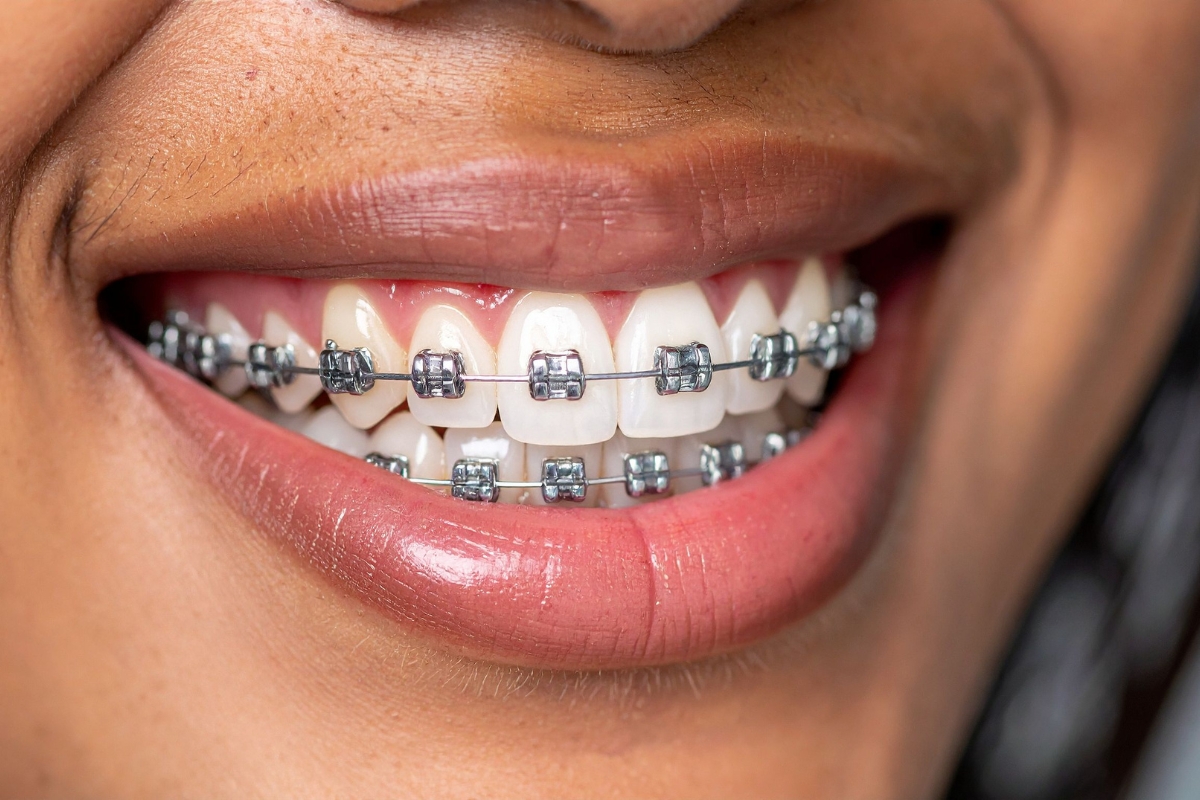
If you’re new to wearing metal braces, you may have already encountered the challenge of food getting stuck in your braces. It’s a common frustration that can lead to discomfort, bad breath, and even damage to your braces if not managed correctly. But don’t worry—there are simple and effective ways to prevent food from getting lodged in your braces, keeping your smile fresh and your braces intact. In this blog, we’ll explore some practical tips from orthodontists on how to handle this everyday issue, helping you maintain optimal oral health while undergoing treatment.
Why Does Food Get Stuck in Metal Braces?
Braces are made up of brackets, wires, and bands that create tiny spaces where food particles can get trapped. These food particles can linger, making it difficult to clean your teeth properly, leading to plaque buildup and potentially harmful bacteria. If left unchecked, this can result in bad breath and even cause cavities over time. That’s why understanding how to prevent food from getting stuck in the first place is so important for your treatment.
The best way to prevent this problem is by adjusting your eating habits and implementing some easy-to-follow practices. Here are a few tips that can help you avoid food buildup and ensure that your metal braces in Houston stay in great shape throughout your orthodontic treatment.
1. Avoid Sticky and Hard Foods
Sticky foods like caramel, gum, or taffy, as well as hard foods like nuts or hard candy, are a recipe for disaster when it comes to braces. These foods can stick to your brackets or even break a wire, leading to unnecessary pain and repair visits to your orthodontist in Houston. Stick to softer foods that are easier to chew and are less likely to get trapped in your braces. Cut up tough or fibrous foods into smaller, manageable pieces to reduce the chances of food getting stuck.
2. Rinse Your Mouth After Every Meal
Rinsing your mouth with water after eating can help dislodge any food particles that might be stuck in your braces. Even if you don’t have access to a toothbrush right away, rinsing your mouth will help remove most of the debris. You can also carry around a small bottle of mouthwash to freshen your breath and further prevent food from sitting in your braces.
3. Brush and Floss After Every Meal
It may seem like a hassle, but brushing and flossing your teeth after every meal is the most effective way to prevent food from staying lodged in your braces. It’s important to be gentle when brushing around the brackets to avoid damaging your braces. Use a soft-bristle toothbrush and fluoride toothpaste to clean your teeth thoroughly. Don’t forget to floss! Special flossers designed for braces can help you clean between your teeth and around the brackets, preventing food from getting stuck.
4. Use Orthodontic Wax for Comfort
If you feel that a certain part of your braces is irritating your cheeks or gums while chewing, orthodontic wax can offer some relief. While it doesn’t prevent food from getting stuck, it can make the process more comfortable. Apply small pieces of orthodontic wax to the areas of your braces that are causing irritation to make eating more comfortable.
5. Use a Water Flosser
A water flosser is a highly effective tool that can help you remove food particles from between your teeth and braces. It uses a stream of pulsating water to clean the areas that are difficult to reach with traditional floss. This device can be particularly useful for patients with metal braces in Houston who want to ensure that their teeth stay clean after every meal. Water flossers are gentle on braces and gums, making them a great addition to your oral hygiene routine.
6. Visit Your Orthodontist Regularly
Regular check-ups with your orthodontist are essential to ensure that your braces are working effectively and that any adjustments are made in a timely manner. During your visits, your orthodontist will inspect the condition of your braces and provide professional braces cleaning. These visits are a great opportunity to ask your orthodontist about specific concerns you may have about food getting stuck or cleaning techniques.
Conclusion: Keep Your Braces Clean with Watson Orthodontics
Maintaining your metal braces in Houston doesn’t have to be difficult. By following these simple steps and adopting healthy habits, you can avoid food buildup, ensure proper cleaning, and keep your braces in top condition. If you ever find yourself struggling with food getting stuck or have questions about your treatment, don’t hesitate to reach out to Watson Orthodontics. Our team is here to help guide you through the process and provide you with all the tools and advice you need to achieve your best smile.
Frequently Asked Questions
How do I remove food from braces without floss?
A water flosser can effectively dislodge food particles from braces. It’s a gentle yet powerful tool to clean hard-to-reach areas.
Is it okay to eat pizza with braces?
While pizza is generally safe to eat, make sure to cut it into small pieces to avoid food getting stuck in your braces.
What can I eat with braces if I’m craving something crunchy?
Opt for softer crunchy foods like apples cut into small pieces or soft crackers to avoid damaging your braces.
How often should I clean my braces?
You should clean your braces after every meal. Regular brushing and flossing will help prevent food from getting trapped and building up.
Can braces cause bad breath?
Yes, food particles and plaque buildup on your braces can contribute to bad breath. Regular cleaning is essential to maintain fresh breath.
Can I chew gum with braces?
No, chewing gum can cause it to stick to your braces and damage them. Avoid sticky and chewy foods to keep your braces intact.
How do I know if my braces need an adjustment?
If you experience discomfort or find it difficult to clean your braces, it might be time for an adjustment. Visit your orthodontist for an evaluation.