
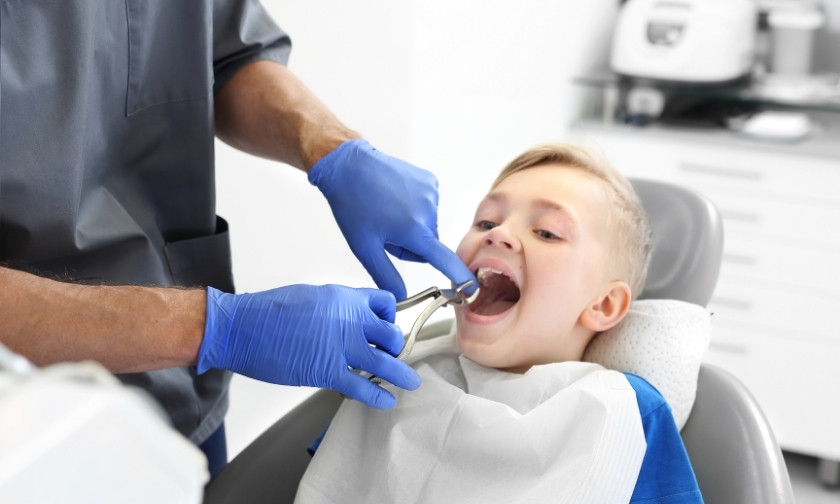
Orthodontic care is not just for teens and adults. Early intervention can help children avoid serious dental problems later. Many issues, such as misaligned teeth and bite problems, begin at a young age. Addressing them early can lead to a healthier smile and fewer complications in the future.
Early orthodontic treatment focuses on guiding jaw development, correcting bite issues, and making room for permanent teeth. This proactive approach reduces the need for more complex procedures later. Parents who act early can help their children achieve better oral health and improved confidence.
Why Early Orthodontic Treatment Matters?
Starting orthodontic care at the right time can make a big difference in a child’s oral health. Here’s why early treatment is beneficial:
- Corrects jaw development early – Helps shape the jaw and ensure proper alignment.
- Prevents overcrowding – Creates space for incoming permanent teeth.
- Reduces the need for extractions – Early care may prevent tooth removal in the future.
- Lowers the risk of speech problems – Some orthodontic issues can impact pronunciation.
- Improves facial symmetry – Guides natural facial growth and balance.
- Helps with chewing and digestion – Proper alignment supports better chewing, aiding digestion.
Common Issues That Early Treatment Can Fix
Early orthodontics can help with several dental problems before they worsen:
1. Overcrowding
When there isn’t enough space for adult teeth, they can grow crooked or overlapping. Early treatment can create space and prevent alignment problems.
- Reduces the need for braces later.
- Helps teeth emerge in the right position.
- Prevents impacted teeth that may require surgery.
2. Bite Problems
Issues like overbites, underbites, and crossbites can lead to discomfort and uneven wear on teeth.
- An overbite can cause jaw pain and excessive tooth wear.
- An underbite may affect chewing and speech.
- A crossbite can lead to asymmetrical jaw growth.
Correcting these issues early helps ensure proper bite function.
3. Thumb-Sucking Effects
Prolonged thumb-sucking can change the shape of the jaw and affect tooth alignment.
- This can lead to an open bite, where the front teeth do not touch.
- It may cause speech difficulties.
- Early intervention helps break the habit before it causes permanent issues.
4. Early Tooth Loss
Losing baby teeth too soon can cause permanent teeth to shift into the wrong position.
- Orthodontic devices can hold space for adult teeth.
- Prevents future crowding and misalignment.
- Ensures a smoother transition from baby to adult teeth.
The Benefits of Early Orthodontic Care
Early orthodontic treatment comes with long-term advantages. Addressing dental issues early can lead to:
- Faster treatment later – Reduces the time needed for braces or aligners.
- Fewer dental complications – Lowers the risk of cavities, gum disease, and enamel wear.
- Less invasive procedures – Helps avoid tooth extractions or jaw surgery.
- Boosted confidence – A well-aligned smile improves self-esteem.
When to Consider Early Orthodontic Care?
Most children should have an orthodontic evaluation by age seven. At this stage:
- Permanent teeth are starting to come in.
- Jaw growth patterns are more visible.
- Early signs of crowding, bite issues, or misalignment can be detected.
Not every child will need immediate treatment. However, an early checkup helps determine the right time for care.
What Are the Treatment Options for Early Intervention?
If a child needs early orthodontic treatment, several options are available:
1. Space Maintainers
- Hold open space for adult teeth after premature baby tooth loss.
- Prevent crowding and shifting.
2. Palatal Expanders
- Widen the upper jaw to fix crossbites and make room for teeth.
- Reduce the need for tooth extractions.
3. Partial Braces or Aligners
- Help correct minor alignment issues before they worsen.
- Shorter treatment time compared to full braces.
4. Habit Appliances
- Help stop thumb-sucking and tongue-thrusting.
- Prevent long-term changes to the jaw and teeth.
How Parents Can Support Their Child’s Orthodontic Health?
Parents play a vital role in their child’s dental health. Here’s how they can help:
- Schedule an orthodontic evaluation early – The sooner potential issues are found, the better.
- Encourage good oral hygiene – Teach proper brushing and flossing habits.
- Monitor habits like thumb-sucking – Help break habits that can affect tooth alignment.
- Follow orthodontist recommendations – If treatment is needed, sticking to the plan ensures better results.
Early orthodontic treatment is a proactive way to prevent bigger dental problems later. By addressing issues while a child’s jaw is still growing, treatment can be simpler and more effective. Parents who take action early can set their children up for a lifetime of healthy smiles.