
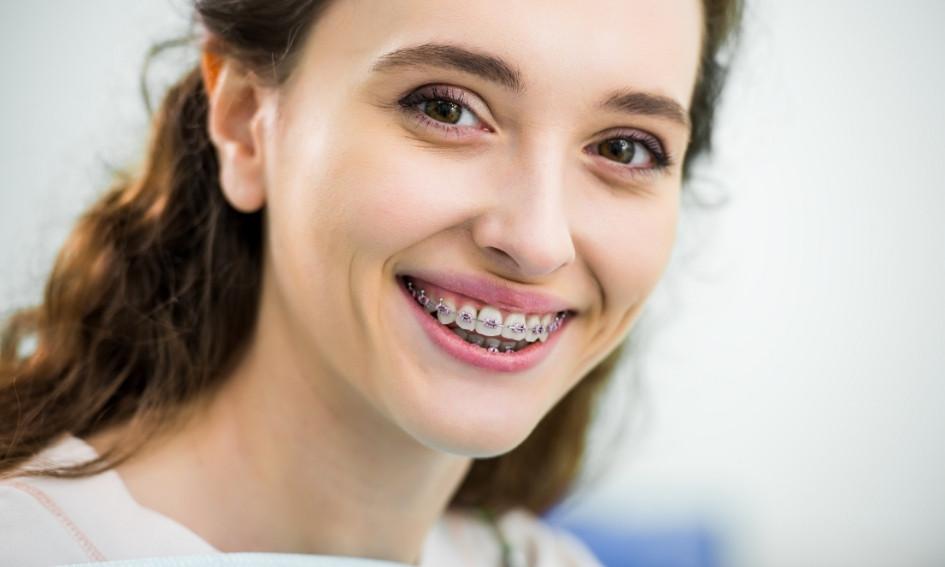
Choosing braces is about more than just getting a straight smile. What many don’t realize is that the material used in braces plays a big role. It can affect comfort, visibility, cost, and even how fast your teeth move. Whether you’re considering braces for yourself or your child, knowing the materials can help you feel more confident about your decision.
This guide breaks down the most common braces materials used today. Each option has pros and cons. Some are barely noticeable, while others are more affordable or durable. Let’s take a look at what’s behind the brackets and wires—literally.
Stainless Steel Braces: The Long-Time Favorite
These are what most people picture when they think of metal braces in Houston. Stainless steel has been the standard for decades.
Why stainless steel stands out?
- Strong and durable
- Cost-effective compared to other materials
- Handles pressure well, helping move teeth faster
Other facts:
- Often paired with elastic bands for more force
- Can be customized with colored bands
- Visible but effective for complex alignment issues
Stainless steel braces remain one of the most reliable and affordable options. If you’re looking for metal braces in Houston, this classic choice is widely available and trusted by many local orthodontists.
Ceramic Braces: Subtle and Stylish
Ceramic braces are often chosen by teens and adults who want a more discreet look.
What makes them appealing?
- Brackets blend with natural tooth color
- Less visible than metal braces
- Just as effective in most mild to moderate cases
Things to consider:
- More fragile than metal brackets
- Can stain if not properly cared for
- Slightly more expensive than stainless steel options
Despite the extra care they need, ceramic braces continue to gain popularity. Their less visible design makes them a favorite for people in public-facing roles.
Self-Ligating Braces: Smoother and Faster
Unlike traditional braces, these don’t use elastic bands. Instead, the wire feeds through a special clip on each bracket.
Why do people like them?
- Less friction means faster treatment in many cases
- Easier to clean due to fewer components
- Fewer office visits needed
Some downsides:
- Slightly more costly than regular metal braces
- Limited color customization
- Still visible, especially in metal versions
These braces materials help shorten treatment time while offering comfort. They’re great for busy individuals who want fewer adjustments.
Lingual Braces: Hidden From View
Lingual braces go behind your teeth instead of in front. This makes them completely hidden when you smile.
Benefits worth noting:
- Invisible to others
- Fully customized for each person’s mouth
- Effective for complex dental issues
Points to think about:
- May affect speech in the beginning
- Harder to clean and maintain
- Usually more expensive due to customization
Due to their discreet positioning, lingual braces are ideal for adults seeking effective results without visible braces.
Titanium Braces: Lightweight Yet Strong
Titanium is another metal used for braces. It’s less common but very useful in specific cases.
Why is titanium used?
- Lighter than stainless steel
- Just as strong and durable
- Great for people with metal allergies
Keep in mind:
- More expensive than stainless steel
- Often recommended for those with specific needs
These braces materials offer a great alternative for patients with sensitivities. They deliver results without causing reactions.
Gold-Plated Braces: Function Meets Fashion
Gold-plated stainless steel braces combine function with style. They’re not just for looks—they’re also a medical necessity for some.
Reasons to choose them:
- Hypoallergenic for those allergic to nickel
- Unique and eye-catching
- Work just like traditional metal braces
A few drawbacks:
- More costly due to the gold plating
- Not as subtle as ceramic or clear options
Some people pick gold braces for their shine, while others need them for allergy concerns. Either way, they provide full function with a touch of flair.
Clear Aligners: The Modern Alternative
Although not part of traditional braces systems, clear aligners deserve a spot in the materials discussion.
Why do aligners appeal to many?
- Nearly invisible and removable
- Smooth and comfortable
- No wires or brackets involved
Potential issues:
- Require strict discipline to wear for 20-22 hours a day
- Not ideal for severe alignment problems
- Must be removed before eating or drinking anything but water
Aligners are made from medical-grade plastic. While not counted among traditional braces materials, they offer a popular alternative for mild to moderate alignment issues.
Choosing the Right Material for You
With all these options, how do you pick the right one? The answer depends on several factors. Here’s what to think about:
- Budget – Stainless steel is usually the most affordable.
- Appearance – Ceramic, lingual, or clear aligners work best if you want something less visible.
- Comfort – Self-ligating and clear aligners are gentler on your mouth.
- Treatment Needs – Severe alignment problems may need metal or lingual braces.
- Allergies – Titanium or gold-plated options may be better for sensitive patients.
Talking with your orthodontist helps you weigh these choices. Some may combine different types depending on your case.
Every material has its place, whether you want strength, subtlety, or speed. From traditional metal brackets to sleek aligners, modern orthodontics offers more than ever before. When it comes to braces materials, it’s not one-size-fits-all. It’s about what fits your mouth, lifestyle, and needs best.
As technology keeps advancing, so do the materials used in orthodontic treatment. Now, getting the smile you want is easier—and more comfortable—than ever before.