
Choosing the right orthodontic treatment for the whole family can feel overwhelming. With numerous options available, how do you decide between braces and aligners? While both are effective, they serve different purposes and may be better suited to various ages and needs. Orthodontics for all ages is possible with either treatment, but understanding their differences can make a significant impact on your decision.
This guide will break down both treatments, weigh their pros and cons, and help you choose the best option for your family’s dental needs.
What Are Braces?
Braces are a traditional solution for straightening teeth using metal brackets and wires. Orthodontics for all ages can benefit from braces, especially for complex cases. Braces come in three main types: metal, ceramic, and self-ligating. Metal braces are the most common and affordable, while ceramic ones offer a less noticeable option.
Self-ligating braces use a sliding mechanism instead of rubber bands for added convenience. Braces usually take 18 months to 3 years to work, depending on the severity of the dental issue. They are ideal for patients with severe misalignment or bite problems.
What Are Aligners?
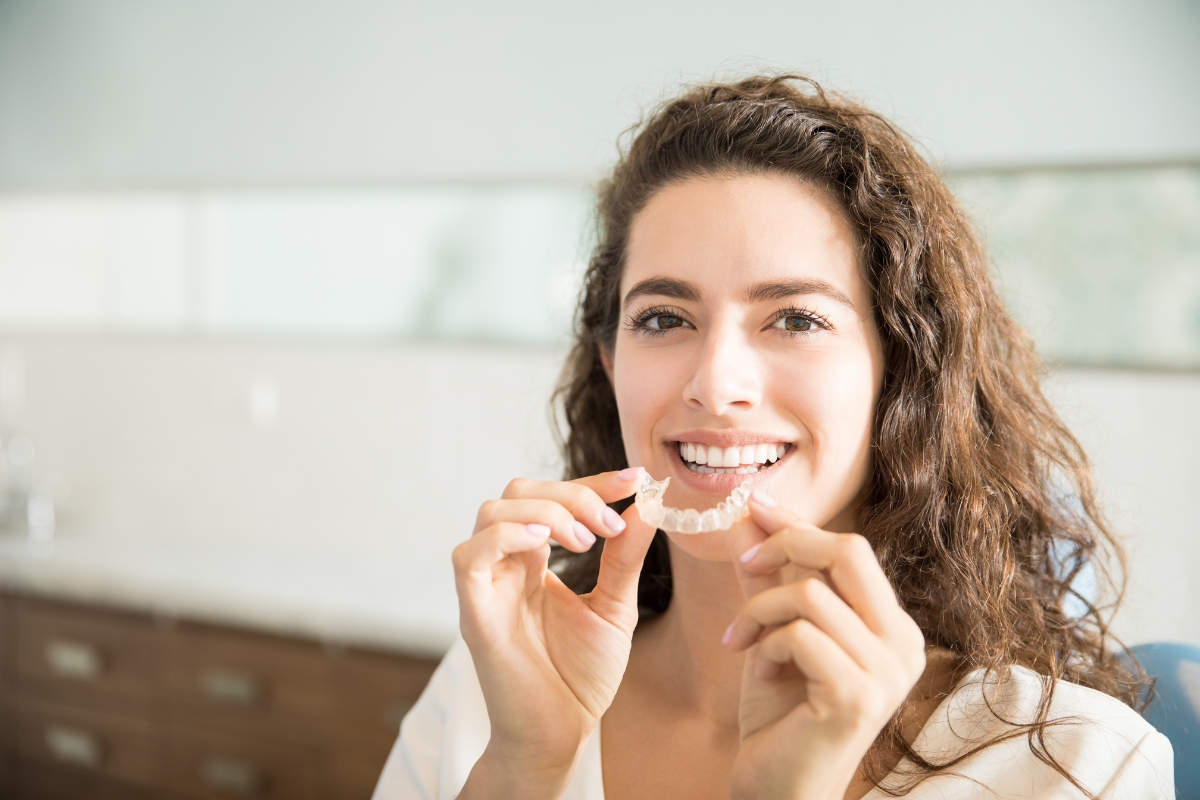
Aligners are clear plastic trays custom-made to gradually shift your teeth into alignment. Unlike braces, aligners are removable, making them a flexible option for many families. Orthodontics for all ages in Houston now includes clear aligners as a popular treatment. These trays are worn for 20-22 hours per day and are replaced every few weeks to continue progressing.
The treatment duration is typically 12 to 18 months, depending on the patient’s dental needs. Aligners are perfect for mild to moderate misalignment, making them a great choice for older teens and adults.
Key Differences Between Braces and Aligners
When considering orthodontics for all ages, the differences between braces and aligners become clear. Aesthetics is one of the most significant factors. Braces are visible, while aligners are nearly invisible, offering a more discreet option. Comfort is another distinction: braces can cause irritation to the gums, especially in the early stages. Aligners are smoother and less likely to cause discomfort.
Maintenance and care also differ. Braces require regular check-ups and adjustments, while aligners can be changed at home every couple of weeks. Effectiveness plays a crucial role as well. Braces are ideal for more complex cases, while aligners handle mild to moderate cases.
Finally, cost is often a concern. Braces may be slightly more affordable, but aligners could be worth the investment due to their convenience and aesthetics.
Which Option is Best for Your Family?
For children and teens, orthodontics for all ages offers great flexibility. Braces are typically the best option for younger patients with complex alignment issues. Aligners are better suited for older teens who are mature enough to keep their aligners in for 20-22 hours a day.
For adults, aligners are often the preferred choice due to their discreet nature, but braces may be necessary for severe bite issues. If your family has varying dental needs, a mix of braces and aligners could be the solution. Teens may need braces, while younger children or adults can benefit from aligners.
Consulting with an Orthodontist: How to Make the Right Decision
Consulting with an orthodontist is the best way to determine which option is ideal for each member of your family. Orthodontics for all ages in Houston requires professional guidance to ensure the right treatment.
A typical consultation involves a thorough dental examination, including X-rays, to assess alignment and determine the best course of action. Based on the findings, the orthodontist will provide personalized recommendations tailored to each patient’s age, dental needs, and lifestyle.
Both braces and aligners are effective treatments for achieving a straighter smile, but each has its advantages. By understanding the key differences and consulting with an orthodontist, you can choose the right option for your family. Remember, orthodontics for all ages is about finding the right treatment at the right time.
Are you ready to take the next step? Contact our dental office today to schedule your consultation and find the best orthodontic treatment for your family.
FAQs
Can I play sports with braces or aligners?
Yes, but it’s recommended to wear a mouthguard while playing sports to protect your braces or aligners and prevent injury.
Do aligners affect speech?
Aligners may slightly affect speech when first worn, but the impact is usually minimal and temporary.
Can I switch from braces to aligners during treatment?
In some cases, your orthodontist may recommend switching from braces to aligners, but this depends on your progress and dental needs.
Can I remove braces for special occasions?
No, braces are fixed to your teeth and cannot be removed for special occasions.
Can I eat whatever I want with braces?
No, certain foods like hard candies, gum, and sticky foods can damage braces. Avoiding these is important.