
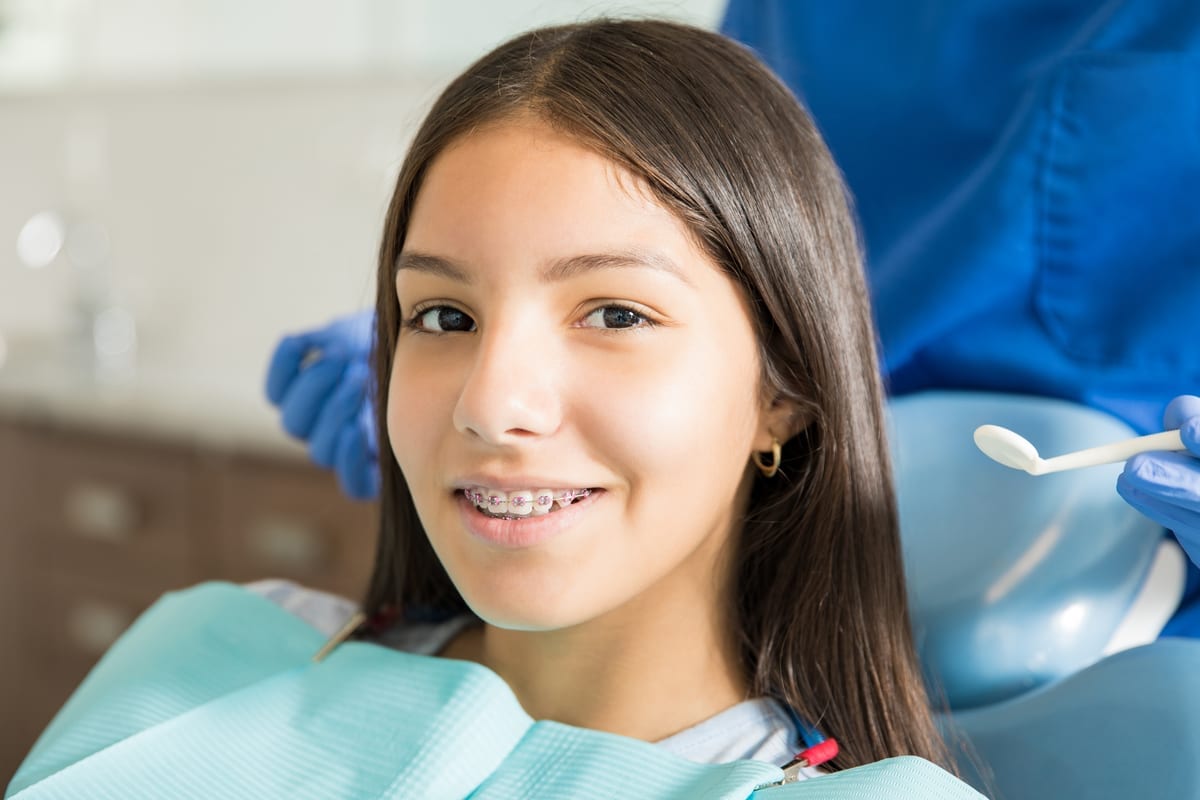
If you’ve been wondering whether your bite needs correction, you’re not alone. Many patients in Spring, TX ask this exact question before scheduling a consultation. Is your bite a candidate for braces? What our evaluation reveals in Spring can surprise even patients who assumed their smiles were fine. Understanding who qualifies — and why — helps you make a more informed decision about your orthodontic care.
What Does a Bite Problem Actually Look Like?
Not every bite issue is obvious from the outside. Some problems are visible, like crowded or crooked teeth. Others, like a deep overbite or narrow palate, only become clear during a professional exam.
Common bite concerns we see at Watson Orthodontics include:
- Overcrowding — teeth overlapping due to insufficient space
- Overbite — upper teeth extending too far over the lower teeth
- Underbite — lower teeth sitting in front of the upper teeth
- Crossbite — teeth misaligned side to side
- Open bite — front teeth that don’t fully close together
- Spacing issues — gaps between teeth affecting function and appearance
Each of these conditions affects how you chew, speak, and care for your teeth. Left untreated, bite problems can lead to uneven wear, jaw discomfort, and increased cavity risk. Identifying them early is key to effective treatment.
Who Is a Strong Candidate for Braces in Spring, TX?
Candidacy for braces isn’t limited to a specific age group. Our Orthodontics For All Ages approach means we regularly treat children, teens, and adults. The right time to start depends on your specific bite pattern and dental development.
Children as young as seven can benefit from an initial screening. Early intervention doesn’t always mean braces right away. It helps us identify problems while the jaw is still growing.
Teenagers are the most common age group for full braces treatment. Their permanent teeth are usually in place, and their bone structure is still adaptable. Adults are also excellent candidates, and more adults than ever are seeking orthodontic care.
Strong candidates for braces typically share these traits:
- Permanent teeth have fully or mostly erupted
- The patient has a clear bite misalignment or spacing concern
- Gum and bone health are stable enough to support movement
- The patient is committed to wearing and maintaining appliances
Even patients with previous orthodontic treatment sometimes need a second round. Teeth can shift over time without consistent retainer use. Our evaluation determines whether braces — or an alternative like Invisalign — is the most effective path.
What Happens During Your Orthodontic Evaluation at Watson Orthodontics?
Our evaluation process is thorough, friendly, and completely pressure-free. Dr. Jim Watson personally reviews your case and walks you through his findings. There are no rushed appointments or one-size-fits-all answers.
Here’s what you can expect during your consultation:
- Comprehensive oral exam — We examine your teeth, gums, and jaw alignment in detail.
- Digital X-rays and imaging — These reveal tooth roots, bone structure, and developing teeth not visible to the naked eye.
- Bite analysis — Dr. Watson assesses how your upper and lower teeth come together.
- Treatment discussion — We explain your options, estimated timelines, and what outcomes to expect.
The evaluation also includes a conversation about your goals. Some patients prioritize function, while others focus on aesthetics. Both are valid, and both influence the treatment recommendation.
For patients exploring Orthodontics Spring Tx, our office combines modern diagnostic tools with a personal, patient-centered approach. We make sure you leave your first visit with a clear picture of your options.
Braces vs. Invisalign — Which Option Fits Your Candidacy?
Once we identify a bite concern, the next question is which treatment fits best. Traditional braces and Invisalign clear aligners both correct misalignment effectively. The better choice depends on the complexity of your case and your lifestyle preferences.
Traditional braces work well for complex cases. They offer precise control over tooth movement and are permanently attached, so compliance is built in. They’re often the preferred choice for significant crowding, large overbites, or patients who benefit from consistent force.
Invisalign is an excellent option for mild to moderate cases. The removable aligners make eating and cleaning easier. However, they require discipline — aligners must be worn 20 to 22 hours per day to stay on schedule.
Dr. Watson carefully evaluates which approach matches your bite issue and your lifestyle. Some patients qualify for either option, while others have needs that make one clearly preferable. Our goal is to recommend what will genuinely work best for you — not just what’s most convenient.
Why Getting Evaluated Sooner Matters
Many patients delay orthodontic consultations because they assume their concerns are too minor. In reality, earlier evaluation almost always expands your treatment options. Waiting can allow problems to worsen or become more complex to correct.
For children and teens, timing matters even more. Certain issues are far easier to address while the jaw is still developing. Missing that window can mean more extensive treatment later.
For adults, the good news is that it’s never truly too late. Bite correction improves oral health at any age. Many of our adult patients are glad they finally took the first step.
If you’ve been wondering whether your bite qualifies for treatment, the evaluation is the only way to know for certain. It’s a low-commitment, high-value step that gives you real answers. Book Now to schedule your appointment with our team.
Frequently Asked Questions
How do I know if I need braces or just a retainer?
A retainer maintains alignment after treatment, while braces actively correct misalignment. If your teeth have shifted, crowded, or your bite has changed, braces or aligners may be needed. Dr. Watson will assess your current bite and recommend the right next step during your evaluation.
At what age should my child have their first orthodontic evaluation?
The American Association of Orthodontists recommends a first evaluation by age seven. At this stage, Dr. Watson can spot early bite or spacing issues while the jaw is still developing. Early evaluation doesn’t always lead to immediate treatment — it gives us a head start on planning.
Can adults get braces even if they had them as a teenager?
Yes, absolutely. Teeth can shift throughout life, especially without consistent retainer use. Many adults return to orthodontic care after noticing relapse or new alignment concerns. Dr. Watson treats patients of all ages and creates customized plans for adult bite correction.
Does a bite problem always require braces, or are there other options?
Braces are one of several tools we use to correct bites. Invisalign, expanders, and other orthodontic appliances may also be part of your treatment plan. Dr. Watson recommends the approach that best suits your specific bite pattern, age, and treatment goals.
How long does the evaluation appointment take?
Most initial evaluations at Watson Orthodontics take about 60 to 90 minutes. This includes imaging, a full exam, and a conversation about your options. You’ll leave with a clear understanding of your bite, your candidacy, and your recommended treatment path.